
Summary: Sarcoidosis can affect much more than the lungs, and many people do not know the warning signs. This guide explains the different types of sarcoidosis disease, including lung, skin, heart, eye, and nerve involvement. It also covers symptoms, causes, diagnosis importance, and how early medical care can help protect overall health and improve daily life for patients.
Sarcoidosis is a condition that can confuse many people because it does not always affect the body in the same way. Some people only have mild symptoms, while others deal with long-term swelling that affects important organs. Understanding the different types of sarcoidosis can help patients notice symptoms early and get proper medical care before serious problems develop.
Let us take a closer look at the types of sarcoidosis disease and how each type can affect the body differently.
1. Pulmonary Sarcoidosis
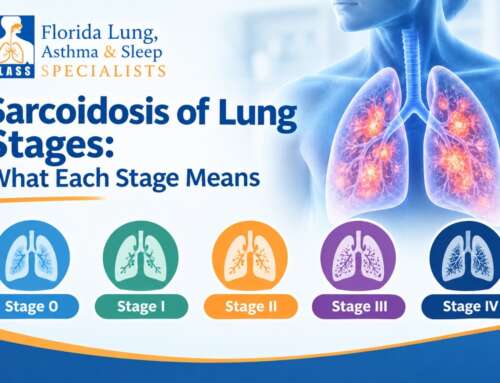
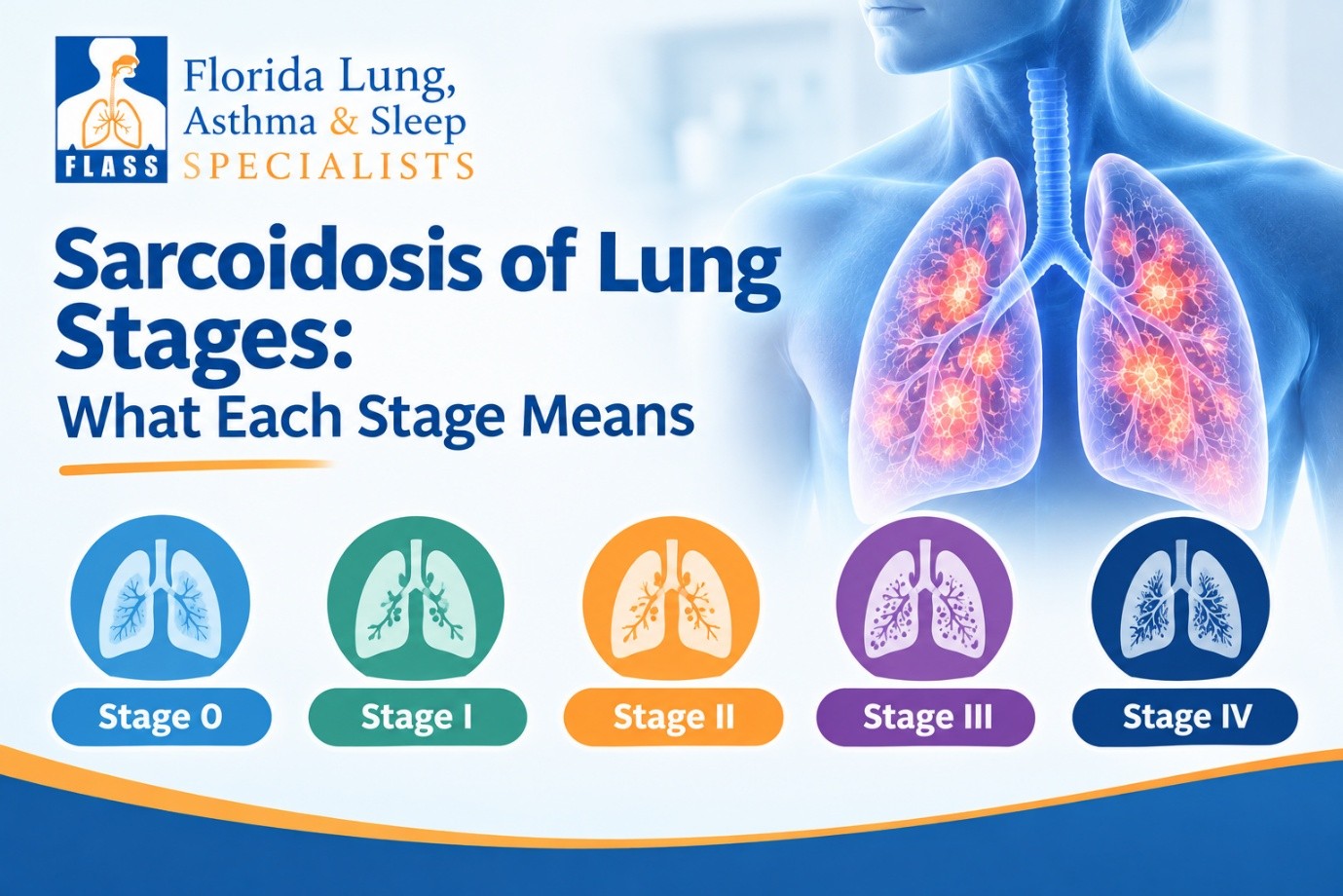
Pulmonary sarcoidosis is the most common form of the disease. It mainly affects the lungs and lymph nodes in the chest. In fact, many people find out they have sarcoidosis after a chest X-ray done for another reason.
Common symptoms include:
- Persistent dry cough
- Shortness of breath
- Chest discomfort
- Wheezing
- Fatigue
Some patients only have mild symptoms, while others may develop lung scarring over time. When swelling stays untreated for years, it can lower lung function and make breathing harder.
Pulmonary sarcoidosis can sometimes be mistaken for asthma, pneumonia, or other breathing conditions. That is why proper diagnosis from experienced specialists is important.
2. Cutaneous Sarcoidosis
Cutaneous sarcoidosis affects the skin. This type can appear in several forms and often becomes one of the first visible signs of the disease.
People may notice:
- Rashes
- Dark or discolored patches
- Tender bumps
- Raised spots
- Sores around old scars or tattoos
One common form is erythema nodosum, which causes painful red bumps, usually on the legs. While skin symptoms may seem minor at first, they can show that swelling is also happening inside the body.
Doctors often examine skin changes carefully because they may help confirm a sarcoidosis diagnosis earlier.
3. Ocular Sarcoidosis
Ocular sarcoidosis affects the eyes and can become serious if left untreated. Swelling inside the eye may damage vision permanently.
Symptoms may include:
- Blurred vision
- Eye redness
- Pain or burning feeling
- Sensitivity to light
- Excessive tearing
Some patients do not notice symptoms immediately, which makes regular eye checkups very important for those diagnosed with sarcoidosis.
Eye involvement may happen along with lung disease or other forms of swelling in the body. Early treatment can help protect long-term eye health.
4. Cardiac Sarcoidosis
Cardiac sarcoidosis affects the heart and is considered one of the more serious forms of the disease. Granulomas can affect the heart’s electrical system and muscle function.
Possible symptoms include:
- Irregular heartbeat
- Chest pain
- Fainting episodes
- Extreme fatigue
- Shortness of breath
In some cases, cardiac sarcoidosis may go unnoticed until symptoms suddenly become worse. Since heart involvement can become life-threatening, patients with sarcoidosis should report any unusual heart symptoms immediately.
Doctors may use imaging tests, ECGs, and heart monitoring to find swelling early.
5. Neurosarcoidosis
Neurosarcoidosis happens when sarcoidosis affects the nervous system, including the brain, spinal cord, or nerves.
Symptoms vary depending on the affected area and may include:
- Severe headaches
- Facial weakness
- Balance problems
- Memory problems
- Seizures
- Numbness or tingling
This form is less common but can strongly affect daily life. Nerve-related symptoms often need special care and long-term monitoring.
Because symptoms may look similar to other nerve disorders, diagnosis can sometimes take time.
6. Musculoskeletal Sarcoidosis
This type affects muscles, bones, and joints. Some people experience ongoing body pain without knowing it may be linked to sarcoidosis.
Symptoms can include:
- Joint stiffness
- Muscle weakness
- Swelling
- Bone pain
- Reduced movement
Swelling in the joints may look similar to arthritis, making proper medical evaluation important for correct treatment planning.
7. Hepatic and Splenic Sarcoidosis
Sarcoidosis can also affect the liver and spleen. Many people do not notice symptoms during the early stages.
However, some patients may experience:
- Abdominal discomfort
- Fatigue
- Enlarged liver or spleen
- Abnormal liver test results
Doctors often find this form through blood tests or imaging studies done during routine checkups.
Acute vs Chronic Sarcoidosis
Another way doctors classify sarcoidosis is by duration and severity.
1. Acute Sarcoidosis
Acute sarcoidosis develops suddenly and may improve within a shorter period. Löfgren syndrome is a well-known acute form that includes fever, swollen lymph nodes, joint pain, and skin rashes.
2. Chronic Sarcoidosis
Chronic sarcoidosis lasts longer and may need ongoing treatment. Long-term swelling can slowly damage organs if not managed properly.
Understanding the different types of sarcoidosis helps patients understand that the disease can affect far more than just the lungs.
Is Sarcoidosis Hereditary?
Many patients ask, is sarcoidosis hereditary? Researchers believe genetics may increase a person’s risk, especially if close family members have the disease. However, sarcoidosis is not considered directly inherited in the same way as some genetic conditions. Environmental and immune system factors also appear to play a role.
Why Early Diagnosis Matters
Sarcoidosis can sometimes seem mild in the beginning, but hidden swelling may continue affecting organs quietly. Early diagnosis allows doctors to monitor the disease and suggest proper treatment before serious problems become severe.
Ignoring symptoms such as ongoing fatigue, breathing problems, skin changes, or irregular heartbeat may delay necessary care.
Final Insights:
At FLASS (Florida Lung, Asthma & Sleep Specialists), we understand how overwhelming sarcoidosis can feel when symptoms affect multiple parts of the body. Every patient experiences this condition differently, which is why personalized care matters. Our team focuses on careful evaluation, advanced pulmonary care, and long-term support designed around each person’s health needs.
Whether someone is dealing with breathing difficulties, long-term swelling, or concerns about unexplained symptoms, FLASS provides compassionate guidance with a patient-focused approach. We believe clear communication and early medical attention can make a meaningful difference in quality of life.
If you or a loved one are experiencing symptoms related to sarcoidosis, connect with us today and take the next step toward trusted respiratory and specialty care.
FAQs
1.What are the main types of sarcoidosis?
The main types of sarcoidosis affect the lungs, skin, eyes, heart, nerves, muscles, liver, and spleen. Each type causes different symptoms and health problems.
2. What are the early signs of sarcoidosis?
Early signs of sarcoidosis may include dry cough, tiredness, shortness of breath, skin rashes, swollen lymph nodes, and mild chest discomfort in daily activities.
3. Can sarcoidosis affect more than one organ?
Yes, sarcoidosis can affect several organs at the same time. Many patients experience symptoms in the lungs, skin, eyes, heart, or nervous system together.
4. Is sarcoidosis a serious disease?
Sarcoidosis can become serious if it affects important organs like the heart, lungs, or brain. Early diagnosis and proper treatment help lower health risks greatly.
5. Can sarcoidosis go away on its own?
Some mild sarcoidosis cases improve naturally without major treatment. However, other cases may last for years and need regular medical care and monitoring.