
Summary: Sarcoidosis can affect the lungs, heart, eyes, and other organs, but early treatment can help prevent serious health problems. This content explains is sarcoidosis deadly, sarcoidosis survival rate, common symptoms, diagnosis methods, and when to seek medical care. Readers also learn how rare is sarcoidosis and why regular monitoring and expert pulmonary support are important for long-term health and breathing.
Hearing the word “sarcoidosis” for the first time can feel stressful. Many people quickly wonder, “Is this dangerous?” or “Can it become life-threatening?” Those worries are completely normal because sarcoidosis is a condition that can affect different organs in the body, especially the lungs, lymph nodes, skin, and eyes.
The truth is that sarcoidosis affects every person differently. Some people recover with very little treatment, while others need long-term medical care to manage health problems. Understanding how serious the condition can become and knowing when to seek treatment can help protect your health.
What Exactly Is Sarcoidosis?
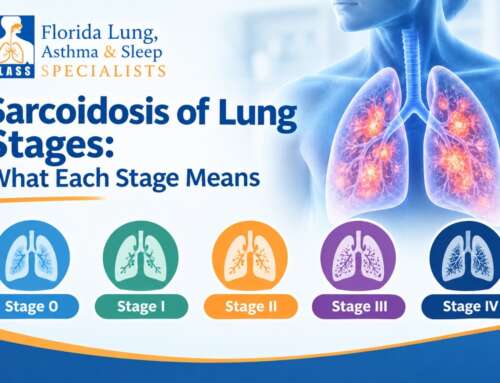
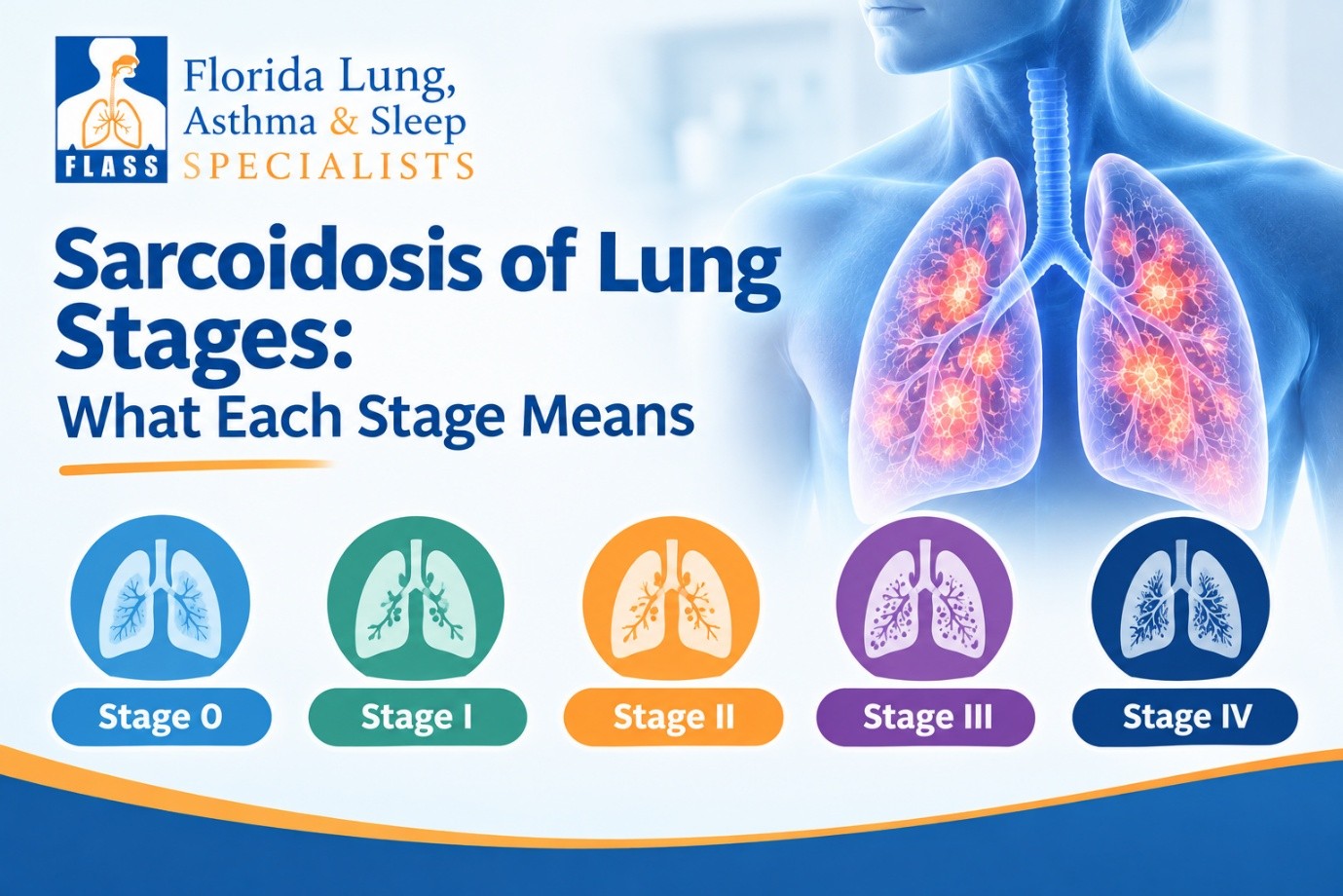
Sarcoidosis is an inflammatory disease where tiny groups of immune cells, called granulomas, build up in different parts of the body. These granulomas can affect how organs work if they continue to grow or spread.
Doctors still do not know the exact causes of sarcoidosis, but many experts believe it may happen because of an unusual immune system reaction linked to environmental or genetic factors.
The lungs are the most commonly affected organ, which is why breathing problems are often one of the first warning signs. However, the condition can also affect the heart, eyes, liver, nervous system, and skin.
How Rare Is Sarcoidosis?
One common question patients ask is, “how rare is sarcoidosis?” While it is considered an uncommon disease, it is not extremely rare. Thousands of people are diagnosed every year, and many cases may even go unnoticed because symptoms can look similar to other health conditions.
Sarcoidosis is more commonly diagnosed in adults between the ages of 20 and 50. Some ethnic groups and families may also have a higher chance of developing the condition.
Because symptoms can appear slowly, many people do not realize they have it until routine scans or testing show inflammation in the body.
Is Sarcoidosis Deadly?
The phrase “is sarcoidosis deadly” is one of the most searched questions online, and understandably so. In most cases, sarcoidosis is not fatal. Many patients experience mild symptoms that improve over time with proper monitoring and treatment.
However, serious health problems can happen if important organs become badly affected. Severe lung damage, heart involvement, or nervous system problems can become dangerous when left untreated.
The most important thing to remember is this: early medical care matters. Waiting too long for diagnosis or treatment may increase the risk of long-term organ damage.
That is why it is important not to ignore symptoms that continue or get worse over time.
Common Signs You Should Not Ignore
Sarcoidosis symptoms can be different for every person. Some people have almost no symptoms, while others struggle with daily discomfort.
A few warning signs may include:
- Ongoing dry cough
- Shortness of breath
- Chest pain
- Extreme tiredness
- Swollen lymph nodes
- Skin rashes or bumps
- Eye irritation or blurry vision
- Joint pain
Because these sarcoidosis symptoms can look similar to other breathing or inflammatory conditions, getting checked by a medical professional is very important.
When Should You Seek Treatment?
Not every sarcoidosis patient needs strong treatment right away. Some mild cases improve naturally without major medical care. However, there are situations where seeking treatment quickly becomes very important.
1. Breathing Problems Are Getting Worse
If you notice increasing shortness of breath, wheezing, or chest tightness, your lungs may be dealing with ongoing inflammation. Waiting too long can increase the risk of permanent lung scarring.
2. Fatigue Is Affecting Daily Life
Feeling tired sometimes is normal. But ongoing exhaustion that affects work, sleep, or daily activities deserves medical attention.
3. Vision Changes Develop
Sarcoidosis can affect the eyes and sometimes lead to serious eye problems. Blurry vision, eye pain, redness, or light sensitivity should never be ignored.
4. Heart Symptoms Appear
Irregular heartbeat, dizziness, fainting, or unexplained chest discomfort may be signs of cardiac sarcoidosis, which needs immediate medical attention.
5. Symptoms Continue for Weeks or Months
Any inflammation-related symptoms that do not improve should be checked by a specialist who understands inflammatory lung diseases.
How Doctors Confirm the Diagnosis
Many patients search online for “how to test for sarcoidosis” because diagnosing the condition is not always easy. Doctors often use a combination of imaging tests, blood tests, breathing tests, and biopsies to confirm the condition.
Chest X-rays and CT scans help doctors find inflammation in the lungs or lymph nodes. Pulmonary function tests check how well the lungs are working. In some cases, doctors may remove a small tissue sample to confirm the presence of granulomas.
Because sarcoidosis can look similar to other illnesses, getting the right diagnosis from experienced specialists is extremely important.
Understanding the Sarcoidosis Survival Rate
The good news is that the sarcoidosis survival rate is generally very positive for most patients. Many people live full and active lives with proper monitoring and treatment.
For some individuals, the disease may disappear within a few years. Others may need long-term care to control inflammation and avoid complications.
The outcome often depends on:
- Which organs are affected
- How early treatment begins
- The level of inflammation
- Overall health condition
- Regular follow-up care
This is why ongoing medical support matters even if symptoms seem mild at first.
In Closing:
At FLASS, our focus goes beyond treating symptoms alone. We work closely with patients to understand how sarcoidosis is affecting their breathing, energy levels, and daily life. Our pulmonary specialists provide careful evaluations, ongoing care, and treatment plans designed around each patient’s needs. Whether symptoms are mild or becoming more serious, our goal is to help patients move forward with better breathing, clear answers, and dependable medical support.
If you are dealing with ongoing breathing problems or concerns related to sarcoidosis, contact FLASS today and schedule a consultation with our experienced team.
FAQs
1. Can sarcoidosis go away on its own?
Yes, some people with mild sarcoidosis recover without major treatment. Regular doctor visits are still important to make sure symptoms do not become worse later.
2. What are the first signs of sarcoidosis?
Common early signs include dry cough, shortness of breath, chest pain, tiredness, swollen lymph nodes, skin rashes, and eye irritation that continues for weeks.
3. Is sarcoidosis a serious lung disease?
Sarcoidosis can become serious if it damages the lungs or other organs. Early treatment and regular medical care help lower the risk of complications greatly.
4. How do doctors check for sarcoidosis?
Doctors usually use chest scans, blood tests, breathing tests, and sometimes small tissue samples to confirm sarcoidosis and rule out similar health conditions properly.
5. When should someone see a doctor for sarcoidosis symptoms?
You should see a doctor if breathing problems, chest pain, tiredness, blurry vision, or coughing continue for several weeks without getting better naturally.