

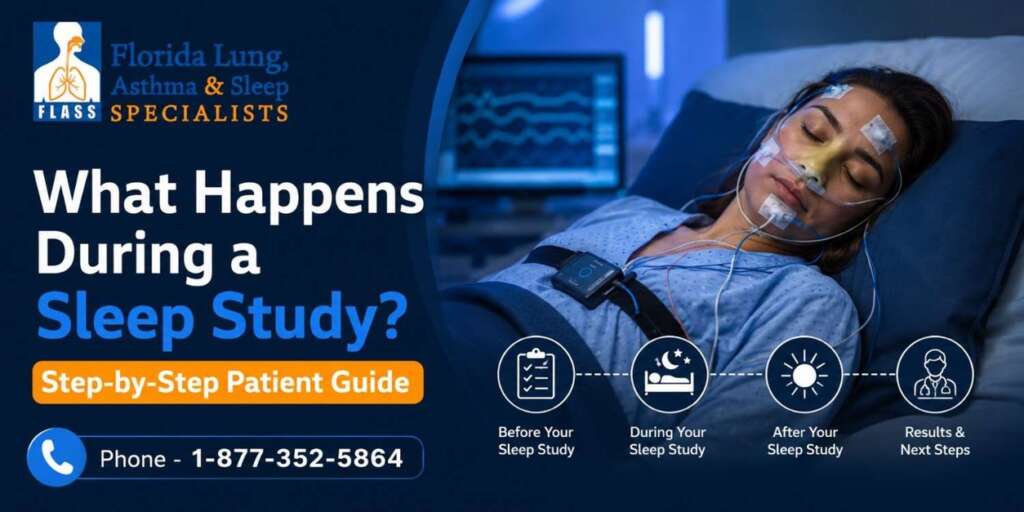
Summary: This blog explains what a sleep study is and what to expect during the test. It covers preparation, step-by-step process, overnight monitoring, and results. It also explains sleep apnea, sleep disorders, and how sleep studies help doctors diagnose and improve sleep health and energy clearly.
If you have been told to go for a sleep study, it is natural to feel a mix of curiosity and nervousness. Most people imagine wires, strange machines, and an uncomfortable night. The truth is often much simpler and far more patient-friendly than expected. This guide walks you through everything in a calm, step-by-step way so you know exactly what your night will look like.
Understanding What a Sleep Study Actually Is
A sleep study is a medical overnight test designed to observe how your body behaves while you sleep. Doctors recommend it when there are signs of disrupted sleep patterns, unusual breathing, or persistent tiredness during the day.
The goal is to collect accurate data about brain activity, breathing, heart rate, and oxygen levels while you are asleep. This helps specialists understand whether there is any underlying sleep disorder that needs attention.
In many cases, people are referred for a sleep study test when symptoms like loud snoring, daytime fatigue, or interrupted breathing are reported.
Before You Arrive: Setting Expectations
One of the biggest concerns people have is not knowing what to expect during a sleep study. The reality is more structured and comfortable than most imagine.
When you arrive at the sleep center, you are usually greeted by a technician who explains the room and the process. The environment is set up to feel like a hotel room rather than a hospital ward. You will have a private bed, soft lighting, and minimal disturbance.
Here is what typically happens before sleep begins:
- You check in and complete basic paperwork
- A technician explains the procedure in simple terms
- You are shown your sleeping room
- You can change into comfortable sleepwear
- Sensors are gently attached to your body
These sensors are painless and only monitor activity. You are free to read, relax, or scroll your phone before bedtime, just like at home.
Step-by-Step Breakdown of the Sleep Study Process
The sleep study process is structured but not complicated. Everything is designed to ensure you sleep as naturally as possible.
Step #1: Preparation Before Sleep
Once you are ready for bed, the technician attaches small sensors to your scalp, chest, legs, and fingers. These help track sleep stages and body functions.
Step #2: Lights Off and Monitoring Begins
After you settle in, the lights are switched off. The monitoring equipment quietly starts recording your sleep patterns.
Step #3: Continuous Observation
Even though you are asleep, technicians monitor the data from another room. They do not disturb you unless absolutely necessary.
Step #4: Natural Sleep Cycle Tracking
Your body goes through normal sleep stages. The equipment records breathing patterns, oxygen levels, movement, and brain activity.
This entire setup ensures doctors get a clear picture of your sleep quality without interfering with your natural rest.
What Happens During the Night
During the night, you are not alone, but you are also not disturbed. The room remains quiet while advanced monitoring continues in the background.
This stage of the experience is often referred to as polysomnography, a detailed recording method that captures multiple body systems at once while you sleep. It helps specialists understand how different functions behave together during rest.
Most patients are surprised by how quickly they adjust. After the first 20 to 30 minutes, many people forget they are even connected to sensors and fall asleep naturally.
You might experience:
- Slight awareness of sensors at first
- Normal tossing and turning
- Occasional wake-ups, which are also recorded
- A sleep experience closer to home than expected
Why Doctors Recommend This Test
A sleep study is not just about checking if you sleep well. It helps uncover deeper issues that are often missed in routine checkups.
One common condition identified through this test is sleep apnea, where breathing repeatedly stops and starts during sleep. Many people are unaware they have it until a proper study is conducted.
Doctors may also look for:
- Insomnia patterns
- Restless leg movements
- Abnormal brain wave activity
- Oxygen level drops during sleep
The data collected becomes essential for accurate diagnosis and treatment planning.
After the Study: What Happens Next
Once you wake up in the morning, the sensors are gently removed. You can usually leave shortly after breakfast or a quick check-out process.
The recorded data is then analyzed by sleep specialists. This analysis helps identify irregular patterns and gives a clear report of your sleep health.
Results are usually shared within a few days, and your doctor will guide you based on the findings. Depending on the outcome, lifestyle changes, therapy, or further evaluation may be suggested.
Helpful Tips to Make Your Sleep Study Easier
A little preparation can make your experience smoother and more comfortable.
- Avoid caffeine in the afternoon before your test
- Bring your usual sleepwear for comfort
- Follow your normal routine as much as possible
- Do not worry if your sleep feels lighter than usual
- Inform the technician about any medications you take
Remember, the goal is to capture your natural sleep pattern, not a perfect night of sleep.
Why This Experience Matters More Than You Think
Many people delay getting a sleep study because they assume it will be uncomfortable or complicated. In reality, it is one of the most informative yet simple diagnostic tools in modern healthcare.
It helps uncover hidden issues that silently affect energy, mood, focus, and overall health. Once the root cause is identified, treatment becomes far more effective and targeted.
Better sleep often leads to better living, and this test is the first step toward understanding your sleep health clearly.
Key Takeaways:
At FLASS, we believe good sleep is a foundation for a healthier life. If you have been struggling with tired mornings, disturbed sleep, or unexplained fatigue, it might be time to take a closer look at what is happening while you rest.
Our approach is simple: make sleep diagnostics clear, comfortable, and accessible. From guidance before your visit to helping you understand your results, we are here to support you at every step of your journey.
If you are considering a sleep evaluation, do not wait for symptoms to worsen. Reach out to FLASS and take the first step toward better sleep clarity. Book your consultation today.
FAQs
- What is a sleep study?
A sleep study is an overnight test that checks how your body works while you sleep. It measures breathing, brain activity, heart rate, and oxygen levels.
- Is a sleep study painful or uncomfortable?
No, a sleep study is not painful. Small sensors are gently placed on your body. They only record data and do not send any electric shock.
- Why do doctors recommend a sleep study?
Doctors suggest a sleep study to find sleep problems like snoring, sleep apnea, tiredness during the day, or poor sleep quality that affects health and energy.
- What happens during a sleep study night?
You sleep in a quiet room while sensors track your body. Technicians monitor you from another room without disturbing your natural sleep unless needed.
- What happens after a sleep study?
After the test, sensors are removed and you go home. Doctors analyze your sleep data and share results in a few days with treatment advice if needed.