
Summary: Understanding sarcoidosis of lung stages can make diagnosis less confusing. This guide explains Stage 0 to Stage IV, common lung symptoms, possible causes, treatment options, lung scarring, and why each stage may affect people differently.
Hearing that you have sarcoidosis of lung can bring a lot of questions. What stage is it? Does a higher stage mean the disease is getting worse? Can the lungs heal? These concerns are understandable, especially when medical reports contain unfamiliar terms.
The good news is that lung sarcoidosis does not affect everyone in the same way. Doctors often use chest X-rays to describe four main stages. These stages show how the lungs and nearby lymph nodes appear on imaging, but they do not tell the complete story of how you feel or how well your lungs are working.
What Do the Stages of Lung Sarcoidosis Mean?
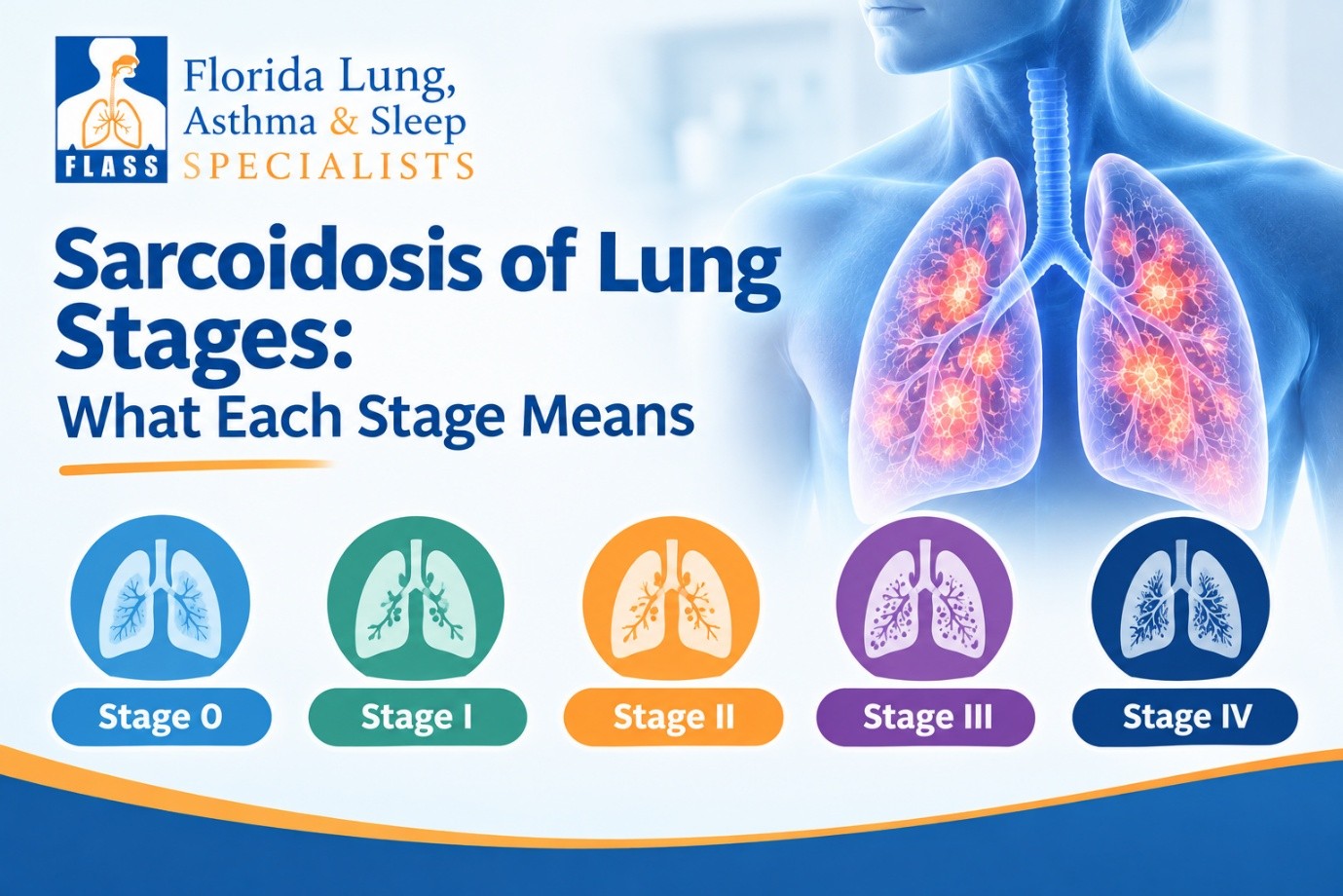
The commonly used Scadding staging system describes the appearance of sarcoidosis on a chest X-ray. The stages range from 0 to IV.
Here is what each stage generally means:
- Stage 0: The chest X-ray does not show typical sarcoidosis changes, although sarcoidosis may still be present elsewhere or may be detected through other tests.
- Stage I: Enlarged lymph nodes are visible near the lungs, usually around the central chest area, without obvious lung tissue changes.
- Stage II: Enlarged lymph nodes are present along with visible changes in the lung tissue.
- Stage III: Lung tissue changes are present, but the enlarged lymph nodes seen in earlier stages are no longer prominent.
- Stage IV: Long-term scarring, known as pulmonary fibrosis, has developed in the lungs.
One important point can make these stages easier to understand: Stage IV does not automatically mean that every person has severe symptoms, and Stage I does not mean that symptoms are always mild. Your symptoms, lung function, imaging results, and overall health all matter.
Stage 0: Sarcoidosis Without Typical Chest X-Ray Findings
Stage 0 can sound confusing because a person may have sarcoidosis even when the chest X-ray does not show the typical findings.
Doctors may use additional testing when symptoms or other medical findings raise concerns. Depending on the situation, evaluation may include a physical examination, pulmonary function tests, blood work, CT imaging, or tissue sampling.
This is why one X-ray should not be viewed as the entire picture.
Stage I: Enlarged Lymph Nodes
In Stage I, sarcoidosis mainly appears as enlarged lymph nodes in the chest. These lymph nodes sit near the lungs and airways.
Some people have few or no noticeable symptoms at this stage. Others may experience:
- Persistent dry cough
- Shortness of breath
- Chest discomfort
- Fatigue
- Reduced ability to exercise
Sometimes the condition is found during an X-ray performed for an unrelated reason. That can feel surprising, especially when you have not noticed major breathing problems.
Stage II: Lymph Node Changes Plus Lung Involvement
Stage II means the imaging shows enlarged chest lymph nodes as well as changes within the lung tissue.
This is an important stage because the lungs are now showing more visible involvement. Symptoms of sarcoidosis in lungs can include a dry cough, breathlessness, chest discomfort, tiredness, or reduced exercise tolerance.
However, symptoms can vary greatly. Two people with similar X-ray findings may feel completely different.
Stage III: More Noticeable Lung Changes
In Stage III, lung tissue abnormalities remain visible, while the enlarged lymph nodes commonly seen in earlier stages are no longer prominent.
At this point, doctors may pay close attention to lung function and whether breathing symptoms are changing. Pulmonary function testing can help show how effectively the lungs move air and transfer oxygen.
If breathing becomes harder, everyday activities such as walking, climbing stairs, or exercising may require more effort. That change deserves medical attention rather than being dismissed as ordinary tiredness.
Stage IV: Lung Scarring and Fibrosis
Stage IV is associated with pulmonary fibrosis, meaning long-term scarring has developed in the lungs.
Scarring can make lung tissue less flexible and may affect breathing. Some people experience ongoing shortness of breath, persistent cough, fatigue, or reduced physical endurance.
This stage needs careful medical follow-up. The goal is to understand how much lung function has been affected and whether the disease is active, stable, or progressing.
Does a Higher Stage Always Mean Worse Sarcoidosis?
Not necessarily.
The stages describe what doctors see on chest imaging. They do not directly measure symptoms, inflammation, or lung function.
Doctors may also consider:
- Your breathing symptoms
- Pulmonary function test results
- CT or X-ray findings
- Oxygen levels
- Changes over time
- Signs of active inflammation
- Effects on daily activities
This broader assessment helps determine whether monitoring is appropriate or whether treatment is needed.
What Causes Sarcoidosis Lung Disease?
Many people ask, “What causes sarcoidosis lung disease?” The exact cause of sarcoidosis is still unknown. Researchers believe the condition involves an unusual immune response, potentially influenced by a combination of genetic and environmental factors.
Sarcoidosis causes clusters of inflammatory cells called granulomas to form in affected tissues. When these granulomas develop in the lungs or nearby lymph nodes, doctors may describe the condition as pulmonary sarcoidosis.
Understanding the cause is still an active area of medical research. Importantly, sarcoidosis is not simply caused by one known infection or lifestyle choice.
How Is Lung Sarcoidosis Treated?
Treatment depends on the severity of symptoms, lung function, organ involvement, types of sarcoidosis disease, and whether the disease is stable or progressing.
Some people may need regular monitoring without immediate medication. Others may need medicines that reduce inflammation or control an overactive immune response.
The treatment for sarcoidosis of the lungs is therefore individualized. A doctor may recommend observation, medication, additional testing, or ongoing lung-function monitoring based on the complete clinical picture.
In Closing:
Living with sarcoidosis can leave you with questions about your diagnosis, symptoms, test results, and next steps. FLASS (Florida Lung, Asthma & Sleep Specialists) is here to make that process easier with knowledgeable pulmonary care focused on understanding your condition and your individual needs. Our team takes the time to listen, evaluate your lung health, and guide you toward appropriate care based on your symptoms and medical findings.
If you are concerned about sarcoidosis of the lung or changes in your breathing, FLASS can help you move forward with greater clarity and confidence. Reach out to us now to schedule a consultation and take the next step toward better-informed lung care.
FAQs
1. What are the stages of lung sarcoidosis?
Lung sarcoidosis has four main stages, from Stage I to Stage IV. They show changes seen in the lungs and nearby lymph nodes.
2. What does Stage IV sarcoidosis of the lung mean?
Stage IV means long-term lung scarring has developed. This can make breathing harder and may reduce how well the lungs work.
3. Can lung sarcoidosis cause breathing problems?
Yes. Lung sarcoidosis can cause a dry cough, shortness of breath, chest discomfort, tiredness, and less ability to exercise or stay active.
4. Does a higher stage mean more severe sarcoidosis?
Not always. The stage mainly shows what appears on a chest X-ray. Symptoms, lung function, and disease changes also help doctors judge severity.
5. How is sarcoidosis of the lungs treated?
Treatment depends on symptoms, lung function, and disease changes. Some people need regular checkups, while others may need medicines to reduce inflammation.