
Summary: Childhood asthma can cause coughing, wheezing, chest tightness, and breathing problems that may affect sleep and daily activities. This guide explains common asthma symptoms, asthma in newborns, types of childhood asthma, long-term effects, warning signs, and when parents should seek medical care for their child.
Have you noticed your child coughing more at night, breathing faster after playing, or making a whistling sound while breathing? These signs can be easy to dismiss as a cold or tiredness. However, repeated breathing problems may point to childhood asthma.
Asthma can affect children differently. Some have symptoms only during exercise or allergy seasons, while others may experience frequent breathing trouble. Knowing what to watch for can help parents seek medical guidance before symptoms interfere with sleep, school, play, or daily life.
Common Signs Parents Should Not Ignore
Asthma symptoms can come and go, which sometimes makes them difficult to recognize. A child may seem perfectly well between episodes.
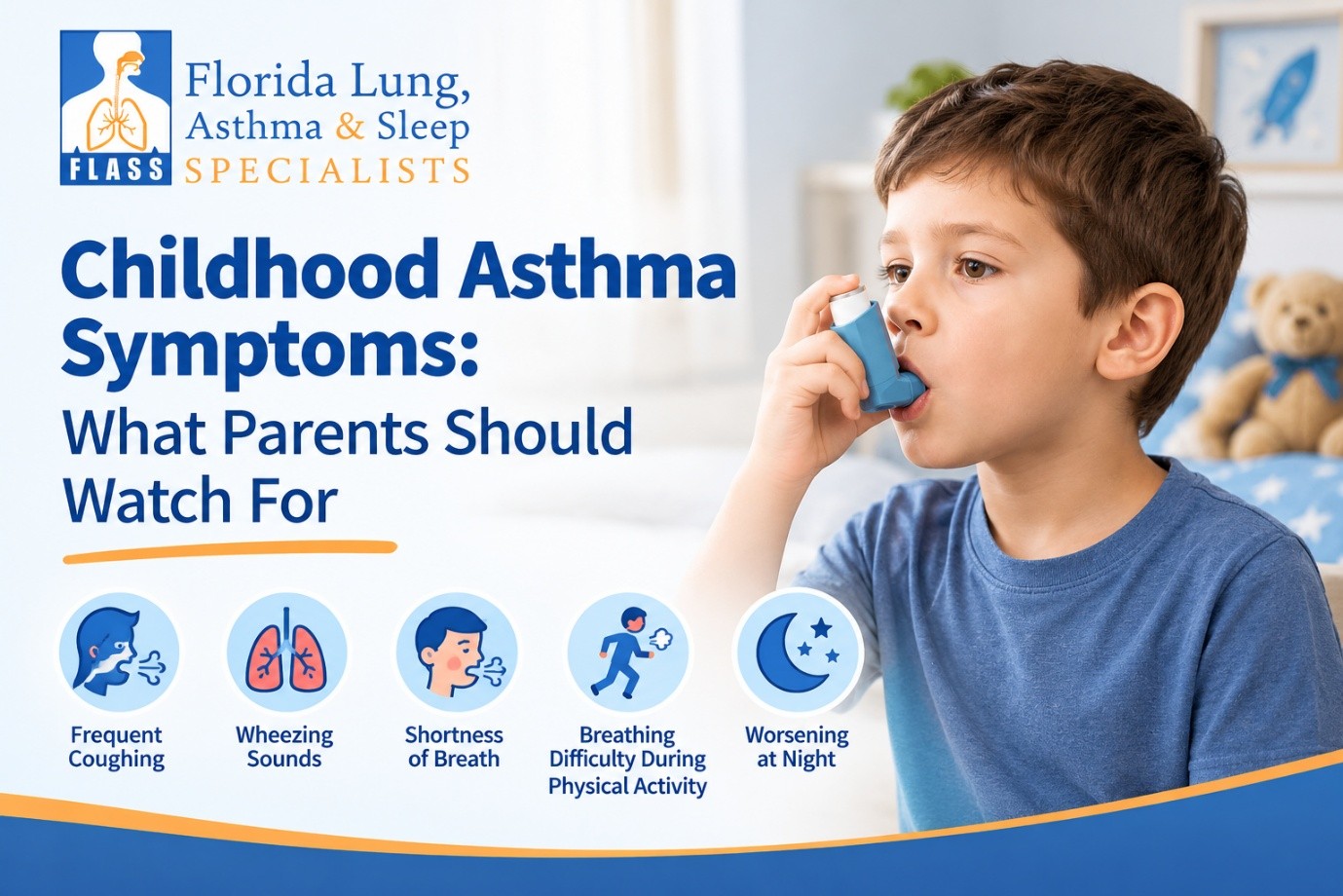
The common signs and symptoms of childhood asthma include:
- Frequent coughing, especially at night or early in the morning
- Wheezing or a whistling sound while breathing
- Shortness of breath
- Chest tightness or discomfort
- Trouble keeping up with other children during physical activity
- Breathing faster than usual
- Coughing or breathing problems after running, laughing, or crying
- Symptoms that become worse around smoke, dust, pollen, pets, or strong odors
A cough that keeps returning without an obvious reason deserves attention. If breathing symptoms repeatedly appear after exercise, during sleep, or around certain triggers, speak with a healthcare professional.
How Do You Know If Your Child Has Asthma?
If you are wondering, “How do you know if your child has asthma?”, there is no single symptom that can confirm asthma. Doctors usually consider the child’s symptoms, medical history, family history, possible triggers, and breathing patterns before making a diagnosis.
For older children, breathing tests may help assess how well the lungs work. Younger children may be harder to evaluate because they may not be able to describe chest tightness or complete certain breathing tests.
Parents can make an appointment easier by noting when symptoms happen. Ask yourself:
- Does coughing wake your child at night?
- Does your child wheeze repeatedly?
- Do symptoms appear during exercise?
- Are symptoms worse during colds or allergy seasons?
- Does your child avoid running or playing because breathing feels difficult?
These details can give the healthcare provider useful clues.
What About Asthma in Newborns?
Asthma in newborns and very young infants need careful medical attention. Asthma is not always easy to diagnose at this age because babies cannot describe symptoms, and wheezing can have several possible causes.
A newborn who has breathing difficulty, rapid breathing, unusual pauses in breathing, bluish lips or skin, poor feeding, or significant chest pulling while breathing needs prompt medical evaluation.
Do not assume that every noisy breath is asthma. A healthcare professional can determine whether the symptoms may be related to asthma, an infection, an airway concern, or another condition.
Understanding Types of Childhood Asthma
Childhood asthma does not look exactly the same in every child. Some children have symptoms linked to specific situations or triggers.
Common patterns include:
- Allergic asthma: Symptoms may occur after exposure to allergens such as pollen, dust mites, mold, or pet allergens.
- Exercise-induced symptoms: Running and other physical activities may trigger coughing, wheezing, or shortness of breath.
- Cough-variant asthma: Coughing may be the main symptom, while obvious wheezing may be absent.
- Persistent asthma: Symptoms occur regularly and may require ongoing management.
- Intermittent asthma: Symptoms appear occasionally, with periods when the child has few or no breathing problems.
A child can also experience more than one pattern. Proper evaluation helps identify the types of childhood asthma, triggers, and create an appropriate care plan accordingly.
Could Childhood Asthma Affect Your Child Long Term?
When asthma is poorly controlled, repeated symptoms can affect more than breathing. Nighttime coughing may disturb sleep, while exercise-related symptoms can make a child hesitant to participate in sports or play.
Possible childhood asthma long term effects may include:
- Poor sleep and daytime tiredness
- Missed school days
- Reduced participation in physical activities
- Frequent asthma flare-ups
- Greater risk of urgent medical visits
- Ongoing airway inflammation when asthma is not well controlled
The good news is that childhood asthma can often be managed with the right medical care and an individualized treatment plan. Parents should not feel that their child must simply live with frequent breathing problems.
When Should Parents Seek Medical Help?
Trust your observations. You know your child’s normal breathing, energy, sleep, and activity level better than anyone.
Seek medical advice when breathing symptoms keep returning, interfere with normal activities, disturb sleep, or become more frequent. Emergency care is important when a child is struggling severely to breathe, cannot speak or cry normally because of breathing difficulty, develops bluish lips or skin, becomes unusually drowsy, or shows signs of severe respiratory distress.
The Bottom Line:
FLASS (Florida Lung, Asthma & Sleep Specialists) focuses on helping children receive thoughtful, personalized respiratory care when breathing concerns arise. Our approach centers on understanding each child’s symptoms, identifying possible triggers, evaluating breathing concerns, and guiding families toward appropriate care.
We know that recurring coughing, wheezing, shortness of breath, or breathing difficulties during activity can leave parents with many questions. Our team takes the time to listen, assess concerns carefully, and explain the next steps in clear language.
If your child is experiencing recurring breathing symptoms, contact FLASS today for professional guidance and compassionate respiratory care tailored to your child’s needs.
FAQs
1. What are the common signs of asthma in children?
Common signs include repeated coughing, wheezing, shortness of breath, chest tightness, fast breathing, and breathing trouble during sleep, exercise, or play.
2. How do you know if your child has asthma?
Watch for repeated coughing, wheezing, or breathing trouble, especially at night or during exercise. A doctor can check symptoms and confirm asthma.
3. Can asthma affect a child’s sleep?
Yes. Asthma may cause coughing, wheezing, or breathing trouble at night. Poor sleep can leave children tired and affect their daily activities.
4. What can trigger asthma symptoms in children?
Common triggers include dust, pollen, mold, pet allergens, smoke, strong smells, cold air, exercise, and breathing infections such as colds.
5. When should parents seek medical help for childhood asthma symptoms?
Parents should seek medical help when breathing problems keep returning, disturb sleep, limit activities, or become worse. Severe breathing trouble needs urgent medical care.