

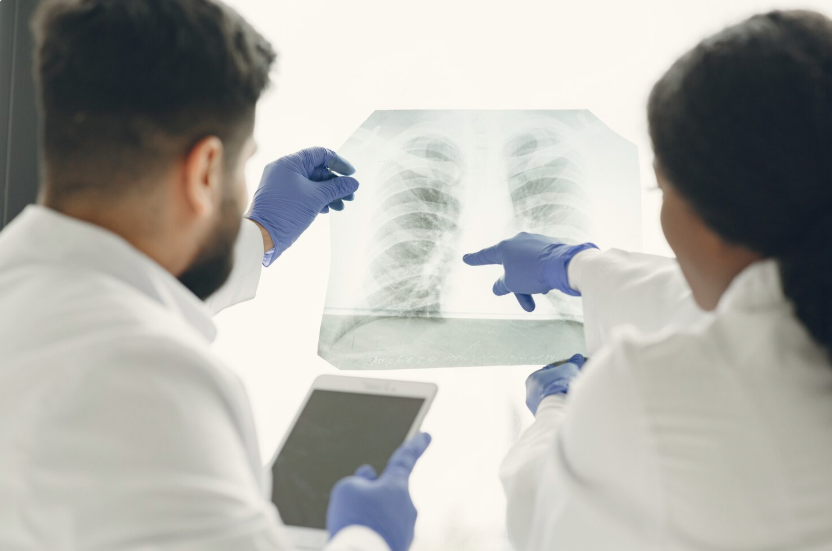
If you’ve recently been told you have a nodule in your lungs, it’s normal to feel worried. Understanding what a lung nodule is, what causes it, and the steps involved in treatment can make the process feel less stressful. At FLASS, we believe that patients who know more about their health are more confident in making decisions.
What is a Nodule in Your Lungs?
A lung nodule is a small, round spot in your lung tissue, usually less than 3 centimeters in size. Most nodules are found during routine imaging tests like X-rays or CT scans. Many are harmless, but because some can show more serious problems, careful checking is important.
Key points to know about lung nodules:
- They are usually small and may not cause any symptoms.
- Some nodules are completely harmless, while others need closer observation.
- Doctors often suggest more tests to find out what the nodule is.
What Causes a Lung Nodule?
Knowing what causes a lung nodule can help you feel less anxious. There are several reasons nodules can appear:
- Infections: Some infections, like tuberculosis, fungal infections, or bacterial pneumonia, can leave small spots in the lungs.
- Inflammation: Conditions where your body has long-term inflammation, like autoimmune issues, can cause small lung growths.
- Benign tumors: Not all nodules are cancer. Some are harmless growths that stay the same over time.
- Malignant tumors: Less often, nodules may be cancerous, which is why it is important to check them carefully.
What Kind of Infections Cause Lung Nodules?
Not all lung infections cause nodules, but some do, especially infections that leave scar tissue in the lungs. These include:
- Tuberculosis (TB)
- Fungal infections like histoplasmosis or coccidioidomycosis
- Bacterial infections that cause long-term inflammation
Knowing these causes helps doctors decide whether to watch the nodule or do more tests.
Step-by-Step Lung Nodule Treatment Timeline
Knowing what to expect can lower stress and help you feel more in control. Here’s a typical timeline for lung nodule treatment:
1. Initial Detection
Most lung nodules are found during routine X-rays or CT scans. When a nodule is found, your doctor will talk about its size, shape, and location. They may also ask about your medical history, smoking habits, or past infections. This first step gives doctors a starting point for checking and planning the next steps.
2. Diagnostic Testing
After a nodule is found, your doctor may suggest more tests to get a better view. This can include detailed imaging scans or blood and sputum tests to rule out infections. Sometimes, a PET scan or a biopsy may be needed to see if the nodule could be cancer or another condition. These tests give important information to make the right treatment plan.
3. Monitoring Phase
Many nodules are harmless and do not need treatment right away. During the monitoring phase, CT scans are done every three to six months to see if the nodule changes in size or shape. Watching it closely helps doctors find growth early. Most nodules stay the same, which can reassure patients who may feel worried.
4. Biopsy or Minimally Invasive Procedures
If a nodule grows or looks unusual, your doctor may recommend a biopsy. Minimally invasive procedures like bronchoscopy or needle biopsy allow doctors to safely collect tissue for testing. These procedures are usually safe and give a clear result, which helps your care team decide the best next step.
5. Treatment Decisions
Treatment depends on what caused the nodule. Infection-related nodules are treated with antibiotics or antifungal medicine. Nodules caused by inflammation may be managed with medicine for the underlying condition. Benign tumors usually just need regular monitoring. Malignant nodules may require surgery, radiation, or targeted therapy depending on size and location. Every plan is made for the patient’s specific situation to ensure the best care.
6. Follow-Up and Recovery
After treatment or monitoring, follow-up care is important to keep your lungs healthy. Doctors may suggest lifestyle changes, like quitting smoking or improving overall immunity, to reduce future risks. Emotional support and clear communication with your healthcare team help patients feel informed, supported, and confident through the whole process.
Tips for Patients During Treatment
- Keep a record of your imaging reports and any symptoms.
- Ask questions at every appointment to stay informed.
- Get support from friends, family, or patient groups.
- Focus on healthy habits like eating well and exercising to keep your lungs strong.
Summary:
Managing a lung nodule can feel overwhelming, but you are not alone. At FLASS, we guide patients through every step—from understanding what a nodule in your lungs is, to identifying possible infections, to creating the best treatment plan. Our team provides clear guidance, personal care, and ongoing support, so you can face each step with confidence. Reach out to FLASS today to schedule a consultation and take control of your lung health.
FAQs
-
What is a nodule in your lungs?
A lung nodule is a small, round spot in your lungs, usually less than 3 cm. Most are harmless but need checking to be sure.
-
Is a 2 cm lung nodule big?
A 2 cm lung nodule is larger than most nodules. It needs careful evaluation because bigger nodules have a higher chance of being serious.
-
Is a 1 cm lung nodule serious?
A 1 cm lung nodule is small, and most are harmless. Doctors usually monitor it closely and may do extra tests to be sure.
-
Is a 5 mm lung nodule serious?
A 5 mm lung nodule is very small. Most small nodules are harmless, but doctors may check it with scans over time to confirm.
-
Is a 7 mm lung nodule serious?
A 7 mm lung nodule is small to medium in size. While usually not dangerous, doctors often recommend monitoring and sometimes further tests.