
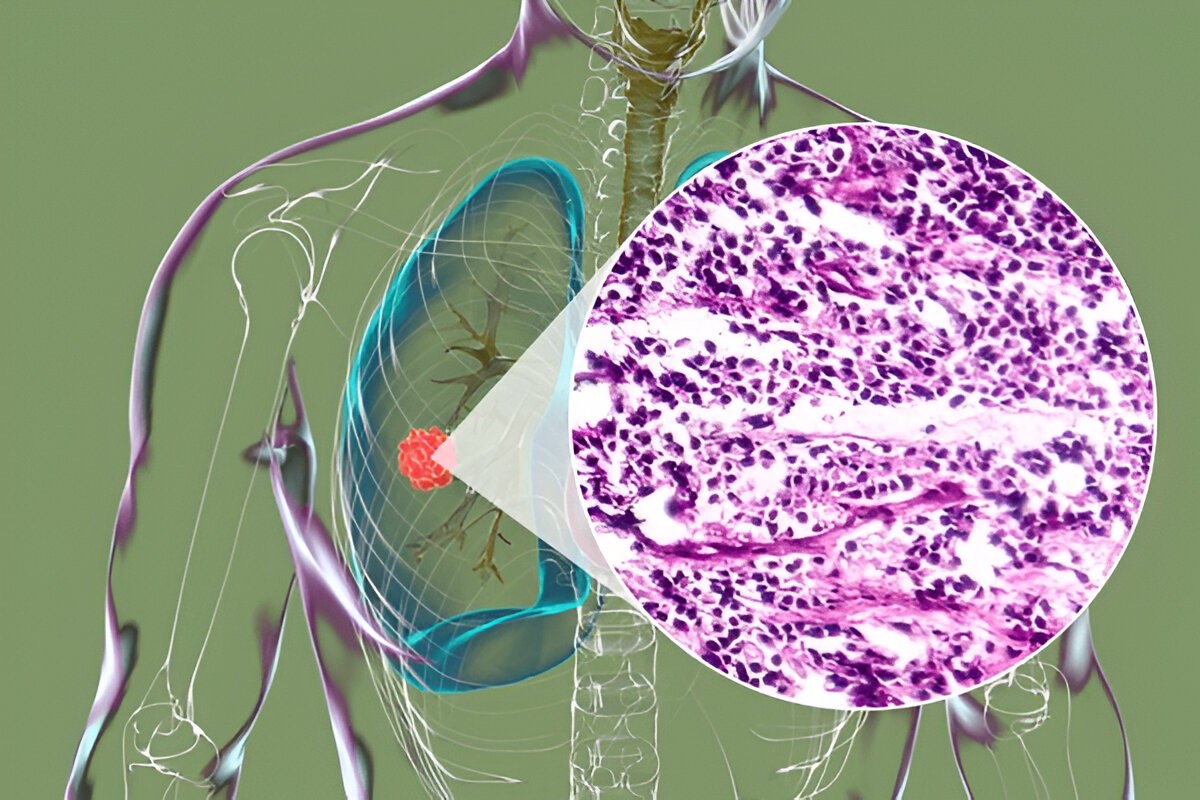
Small cell lung cancer (SCLC) is a fast-growing type of lung cancer that needs timely treatment and careful management. Making the right choices at each step can greatly influence the outcome. Knowing what to do and what to avoid can help patients and families handle treatment with more clarity.
It is important to recognize that SCLC is different from non-small cell lung cancer. While non-small cell lung cancer specialists focus on slower-growing tumors, small cell lung cancer therapy often needs quicker and more aggressive methods.
Do’s: Smart Steps to Support Your Health
Following expert guidance improves the chances of managing SCLC more effectively. Here are some essential actions that can help:
-
Act Quickly After Diagnosis
SCLC can spread quickly, so beginning therapy without delay can make a difference in response and recovery.
-
Learn About All Treatment Options
Options may include chemotherapy, radiation, immunotherapy, or clinical trials. Understanding choices helps in making informed decisions.
-
Choose an Experienced Care Team
Selecting the right professionals, such as non-small cell lung cancer specialists and oncologists with experience in SCLC, ensures well-planned treatment.
-
Focus on Nutrition and Exercise
Even during therapy, eating balanced meals and light physical activity can support strength and recovery.
-
Stay Involved in Every Decision
Ask questions and take notes. Staying engaged leads to better communication and confidence in your care plan.
-
Keep Track of Symptoms and Side Effects
Monitoring how the body responds helps doctors adjust the plan and manage side effects properly.
Don’ts: Mistakes to Avoid During Treatment
Avoiding common mistakes can improve treatment outcomes and reduce stress:
-
Do Not Ignore Early Symptoms
Fatigue, cough, chest pain, and weight loss may seem minor but could be signs of lung cancer symptoms and treatment should be explored early.
-
Avoid Self-Medication
Taking herbal remedies or over-the-counter drugs without consulting your doctor can interfere with small cell lung cancer therapy.
-
Do Not Miss Follow-Up Appointments
Every session, test, or scan is vital. Missing them may cause delays in detecting complications or progress.
-
Avoid Relying on One Opinion Only
Getting a second medical opinion often leads to more confidence in your plan and may reveal better strategies.
-
Do Not Isolate Yourself
Emotional well-being matters. Support groups, friends, and counseling help in reducing stress and staying positive.
-
Do Not Hide Side Effects
Even mild discomfort can be important. Being open about symptoms helps your care team make needed adjustments.
Key Focus: Causes, Symptoms, and Specialists
SCLC is often linked to smoking but may also develop due to environmental factors or genetic risks. It starts in the bronchi and can spread quickly to other parts of the body. Early symptoms can include a persistent cough, difficulty breathing, and fatigue.
The role of specialists is essential here. Non small cell lung cancer specialists and oncologists with expertise in SCLC understand the differences in treatment approaches and timelines. Their experience plays a vital role in personalizing care.
In Closing:
At FLASS (Florida Lung, Asthma & Sleep Specialists), we do not believe in leaving patients in the dark. When it comes to lung cancer symptoms, causes, and treatment, we give answers that speak clearly and honestly. Our focus is not just on medical facts but on real support that feels human. From the first appointment to every step that follows, our care for SCLC and small cell lung cancer therapy is built with trust, logic, and strength.
Questions get answered. Plans are explained. Options are offered, not pushed. Because clear minds and strong spirits are just as important as powerful treatments.
Call FLASS today to step into a treatment approach where care meets clarity, and your choices always matter.