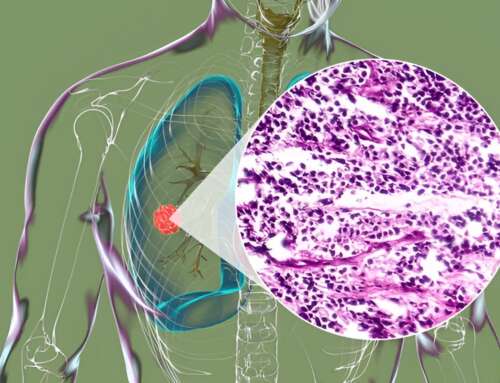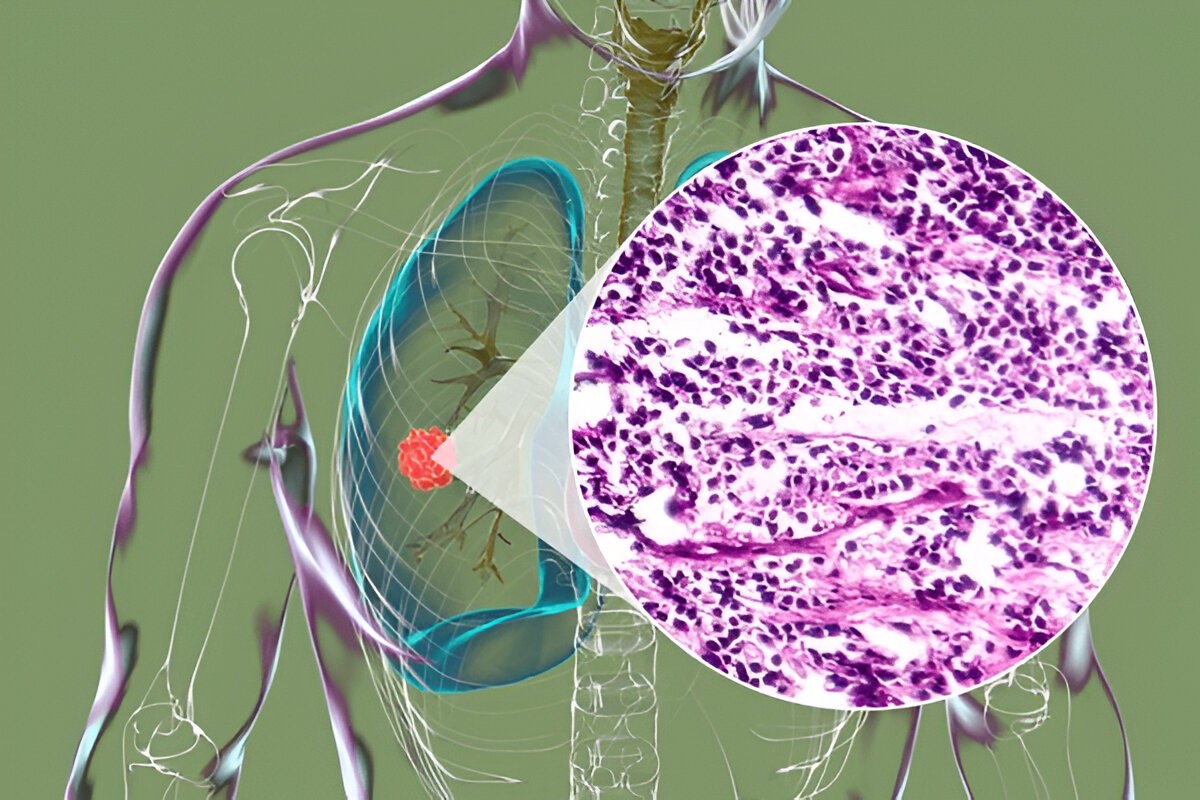

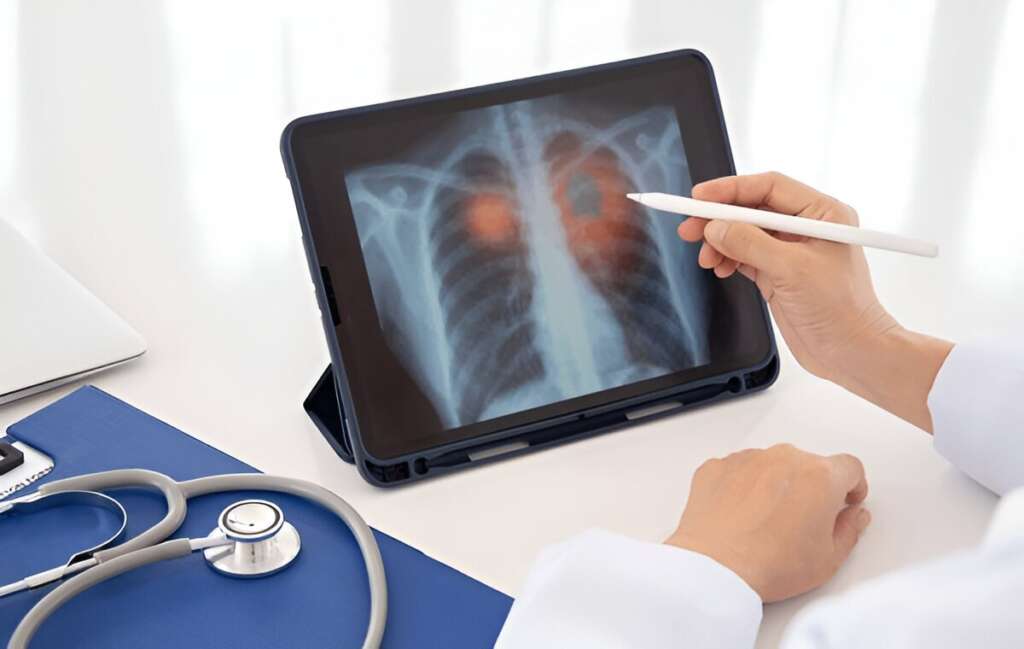
Small cell lung cancer (SCLC) is a fast-growing type of lung cancer that requires aggressive treatment. While the treatments available—such as chemotherapy, radiation, and immunotherapy—can be effective, they often come with challenging side effects. Managing these side effects is essential to maintain quality of life and support ongoing treatment.
In this blog, we will focus on practical tips to handle the common side effects of small-cell lung cancer treatment.
Common side effects of small cell lung cancer treatment
Treatments for SCLC can affect the body in many ways. Some of the most common side effects include:
- Fatigue or extreme tiredness
- Nausea and vomiting
- Loss of appetite
- Hair thinning or loss
- Mouth sores or dry mouth
- Changes in taste or smell
- Increased risk of infections
- Difficulty breathing or coughing
While these symptoms can be difficult, knowing how to manage them can greatly improve comfort and treatment success.
Top tips to manage side effects of small cell lung cancer treatment
1. Maintain good nutrition
Eating a balanced diet can help maintain strength and reduce fatigue. Choose small, frequent meals if your appetite is low. Foods rich in protein and vitamins support healing. If swallowing is difficult, softer foods or nutritional supplements may help.
2. Stay hydrated
Drinking plenty of water is important, especially if nausea or vomiting occurs. Hydration helps flush toxins from the body and supports overall health.
3. Manage nausea proactively
Take prescribed anti-nausea medications exactly as directed by your healthcare provider. Eating bland foods such as crackers or toast before treatment sessions can also reduce nausea.
4. Rest but stay active
While fatigue is common, gentle activity like walking or stretching can boost energy levels and improve mood. Balance rest and movement according to how the body feels.
5. Practice good oral care
Mouth sores and dryness are common. Use a soft toothbrush and rinse the mouth with a mild saltwater solution to reduce discomfort. Avoid spicy or acidic foods that can irritate the mouth.
6. Protect yourself from infections
Treatment can lower immunity, making infections more likely. Wash hands frequently, avoid crowded places, and notify your doctor immediately if you notice fever or unusual symptoms.
7. Seek support for emotional health
Dealing with cancer treatment is stressful. Talking with counselors, support groups, or trusted friends can help manage anxiety and depression. Mental well-being is key to overall recovery.
8. Communicate openly with your healthcare team
Keep your medical providers informed about all side effects. They can adjust treatments, provide medications, or suggest additional therapies to ease symptoms.
Understanding lung cancer symptoms, causes, and treatment can empower patients to take control
Knowing the full picture of lung cancer, including the challenges of small cell lung cancer treatment, is the first step toward effective management. Patients who stay informed and proactive tend to cope better and experience fewer complications.
In Closing:
Facing the side effects of small cell lung cancer treatment can feel like an uphill climb. Having the right medical team by your side makes all the difference. At FLASS, you are never just another patient. We combine advanced knowledge with a genuine commitment to walk alongside you through each challenge — easing symptoms, tailoring treatments, and helping you protect what matters most: your quality of life.
Ready for care that sees the whole picture? Reach out to FLASS today to find strength, comfort, and hope each step of the way.