
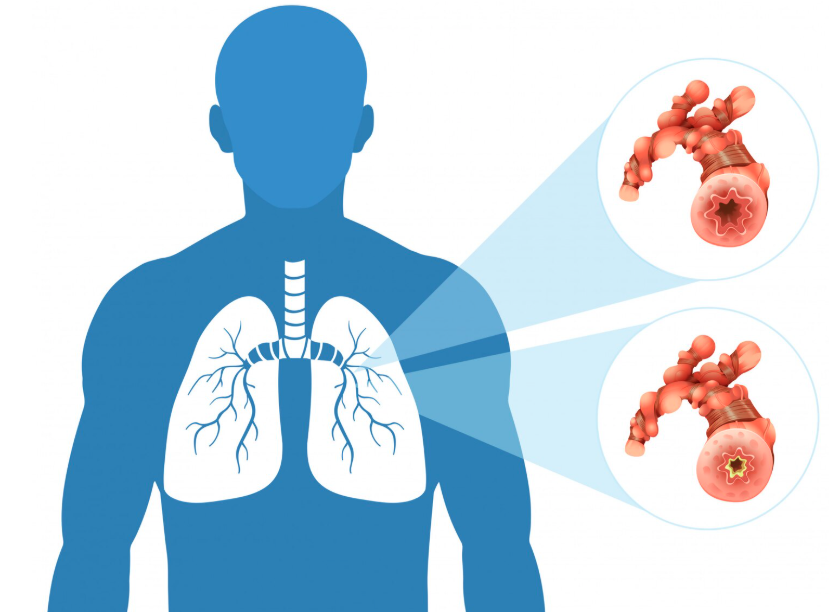
Lung cancer is a life-changing diagnosis, and understanding it can make a significant difference in how patients and families approach care. Knowing the lung cancer symptoms, causes, and treatment can help people act early and make informed decisions about their health.
Recognizing Lung Cancer Symptoms
One of the biggest challenges with lung cancer is that early symptoms are often subtle. They can easily be mistaken for a lingering cold or common respiratory issues. Being aware of the signs is crucial.
Common lung cancer symptoms include:
- Persistent cough that doesn’t improve
- Shortness of breath or wheezing
- Chest pain or pressure
- Fatigue and unusual weakness
- Unexplained weight loss
- Coughing up blood
If you notice any of these symptoms consistently, it’s important to consult non-small cell lung cancer specialists. Early detection opens doors to treatments that can improve outcomes and quality of life.
Understanding What Causes Lung Cancer
Lung cancer does not appear without reason. Several factors can increase the risk of developing the disease. These include:
- Smoking: The most common cause. Both active smoking and prolonged exposure to secondhand smoke significantly increase risk.
- Environmental Factors: Exposure to radon gas, asbestos, industrial chemicals, or air pollution can contribute.
- Genetics: A family history of lung cancer may increase vulnerability.
- Chronic Lung Conditions: Diseases like chronic obstructive pulmonary disease (COPD) can raise the likelihood of lung cancer.
By understanding these causes, people can take steps to reduce risks, such as quitting smoking and avoiding harmful environmental exposures.
Types of Lung Cancer
Knowing the type of lung cancer is critical in planning treatment. The two main types are:
- Non-Small Cell Lung Cancer (NSCLC) – The most common form, accounting for around 85% of cases. NSCLC specialists tailor treatment based on the tumor type and stage, offering precise strategies for care.
- Small Cell Lung Cancer (SCLC) – Less common but more aggressive. Often treated with a combination of chemotherapy and radiation.
Correctly identifying the type of lung cancer helps doctors and patients make informed decisions and anticipate outcomes.
Exploring Treatment Options
Treatment for lung cancer has evolved significantly over the years. The focus is not only on controlling the disease but also on improving comfort and quality of life. Common treatment options include:
1. Surgery
Recommended mainly for early-stage lung cancer, surgery removes the tumor and surrounding tissue to prevent further spread.
2. Radiation Therapy
High-energy radiation targets cancer cells, helping to shrink tumors and reduce symptoms such as pain or difficulty breathing.
3. Chemotherapy
Chemotherapy involves medications that target and kill cancer cells throughout the body. It is often used for advanced stages or when surgery is not possible.
4. Targeted Therapy
This approach focuses on specific genetic mutations in cancer cells, slowing their growth while sparing healthy cells.
5. Immunotherapy
Immunotherapy activates the immune system to recognize and attack cancer cells, offering hope for patients with advanced lung cancer.
6. Palliative Care
Even when curing the disease is not possible, palliative care helps manage symptoms, reduces discomfort, and improves overall well-being.
Lifestyle and Supportive Measures
Alongside medical treatments, lifestyle choices and supportive care can make a big difference:
- Maintain a balanced, nutrient-rich diet
- Engage in light exercise as advised by your doctor
- Quit smoking and avoid secondhand smoke
- Manage stress through counseling or relaxation techniques
- Keep regular follow-ups with your healthcare team
These measures support treatment, boost energy, and give patients a greater sense of control over their journey.
Key Takeaways:
Facing lung cancer, particularly stage 4, can be overwhelming. But today, patients have more options than ever before. Modern treatments, combined with personalized care from non-small cell lung cancer specialists, create pathways to better outcomes.
At FLASS, we bring clarity to this complex journey. Whether you are learning to recognize early lung cancer symptoms, understanding the causes, or exploring treatment for lung cancer stage 4, our team is here to guide every step with precision and care. Take control of your health today, and connect with specialists who can help map out your best path forward.
Let’s face lung cancer head-on, armed with knowledge, options, and hope. Reach out now and see how we can help you take the next step.
FAQs
-
What are the early symptoms of lung cancer?
Early symptoms include persistent cough, shortness of breath, chest pain, fatigue, unexplained weight loss, and coughing up blood. Early detection improves treatment options and outcomes.
-
What causes lung cancer besides smoking?
Besides smoking, lung cancer causes include long-term exposure to radon, asbestos, air pollution, industrial chemicals, chronic lung diseases, and genetic predisposition, increasing overall risk significantly.
-
How is stage 4 lung cancer treated?
Stage 4 lung cancer treatment involves chemotherapy, targeted therapy, immunotherapy, radiation, and palliative care, focusing on controlling cancer, reducing symptoms, and improving quality of life.
-
What is the difference between NSCLC and SCLC?
NSCLC is the most common, slower-growing lung cancer, while SCLC is less common, aggressive, and often treated with chemotherapy and radiation for faster disease control.
-
When should I see a non-small cell lung cancer specialist?
Consult a specialist if you have persistent respiratory symptoms, a history of risk factors, or a confirmed diagnosis, ensuring tailored treatment for non-small cell lung cancer.