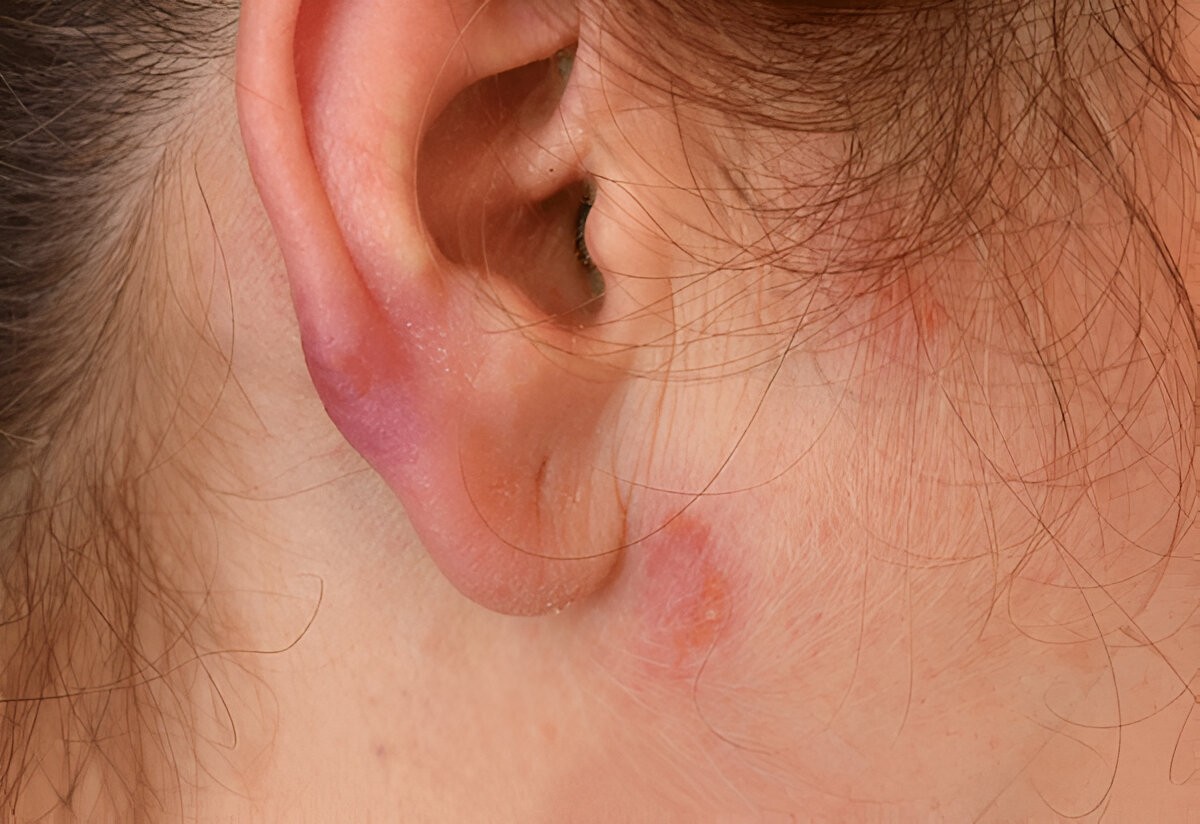

Dealing with an illness that feels invisible can be stressful, and sarcoidosis often falls into that category. It is a rare condition where small clumps of inflammatory cells, called granulomas, form in different parts of the body. These granulomas can affect the lungs, skin, lymph nodes, eyes, or even the heart. Understanding sarcoidosis, from testing to recovery, is important for anyone going through this journey.
What Is Sarcoidosis and Why It Happens
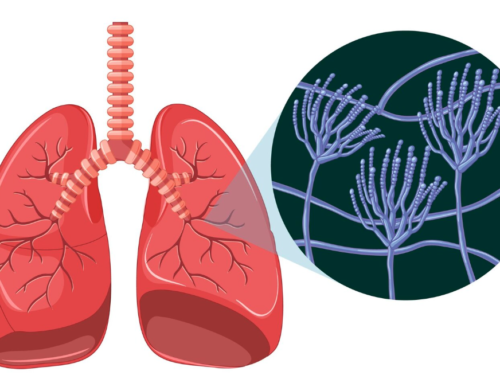
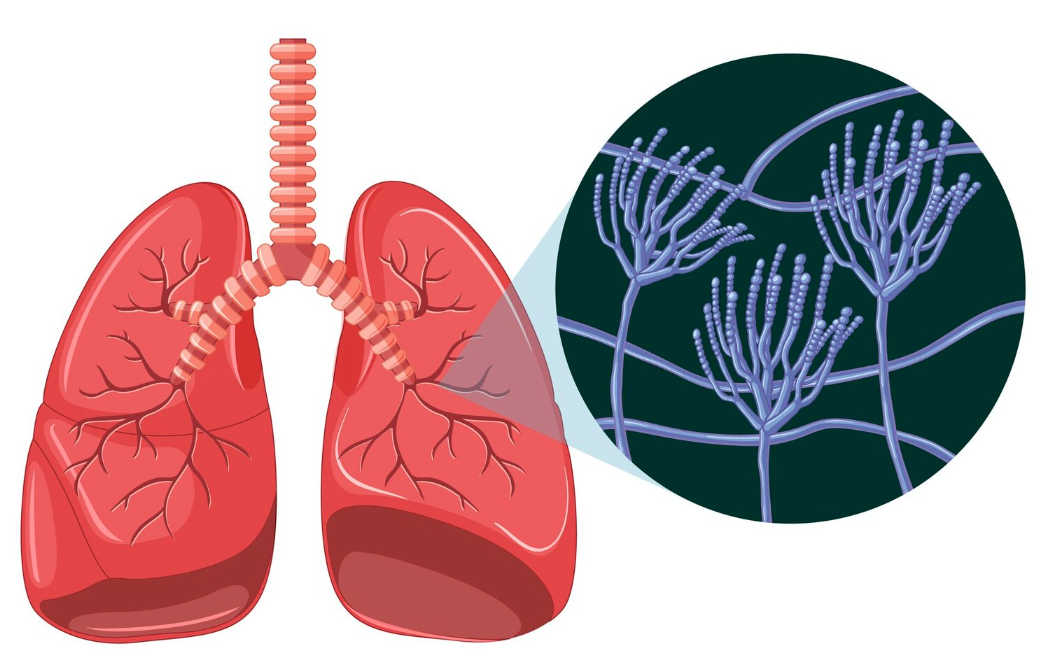
Sarcoidosis is a disease that causes tiny groups of swollen cells, called granulomas, to form in different parts of the body. The lungs and lymph nodes are most often affected, but it can appear in the skin, eyes, heart, and other organs. Doctors are not completely sure why sarcoidosis happens, but it may be caused by the immune system reacting too strongly.
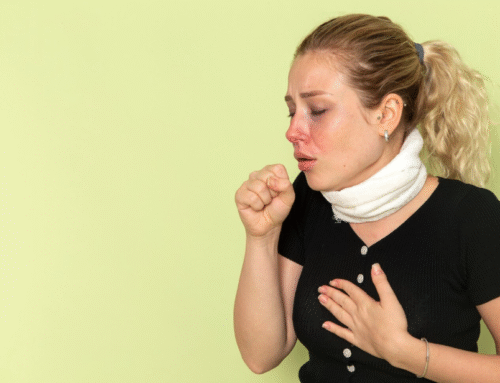
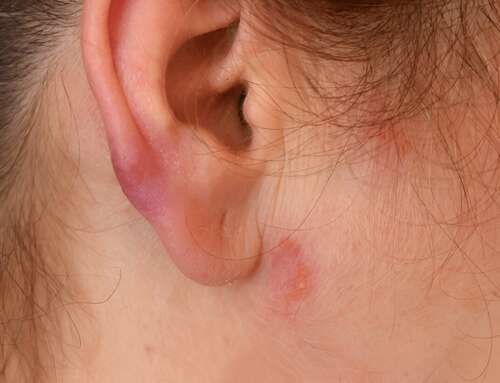
Symptoms can be very different for each person. Some people feel very tired, have a constant cough, trouble breathing, or skin rashes. Others may not notice any symptoms, which can make it hard to find.
Can Sarcoidosis Be Cured?
Many people wonder if sarcoidosis is curable. The answer is not simple. For some patients, sarcoidosis goes away on its own without strong medicine. Others may need treatment, such as steroids or drugs that calm the immune system, to control symptoms and protect organs.
Even though there is no single cure for everyone, the disease can be managed well. The goal of treatment is to reduce symptoms, prevent complications, and help patients live a normal life. Regular checkups and careful monitoring are very important for long-term health.
How to Test for Sarcoidosis
Testing for sarcoidosis involves a few steps because it can affect many parts of the body. Doctors usually start with a full medical history and a physical checkup. Common tests include:
- Chest X-rays or CT scans: These pictures show if granulomas are in the lungs or lymph nodes.
- Blood tests: Higher levels of certain chemicals in the blood may show sarcoidosis.
- Lung tests: These check how well the lungs are working if breathing problems exist.
- Biopsy: A small piece of tissue is taken from an affected area to confirm granulomas and rule out other diseases.
Because sarcoidosis can look like other illnesses, testing may take several steps and repeat visits. Being patient and talking openly with your doctor is very important.
Is Sarcoidosis Curable?
The word “curable” is tricky for sarcoidosis. Some people get better on their own without medicine. Others need medicine over a long time to control swelling and prevent organ problems.
The main goal of treatment is not just to cure the disease but also to control symptoms, avoid complications, and help people live a normal life. Regular doctor visits and checkups are needed to stay healthy.
Living With Sarcoidosis
Living with sarcoidosis means making some changes and being careful. Daily habits can help control the condition.
- Healthy eating and drinking enough water: Focus on foods that reduce swelling and stay hydrated.
- Regular exercise: Gentle exercise helps lungs work better and keeps energy up.
- Stress control: Stress can make swelling worse, so meditation, yoga, or deep breathing may help.
- Taking medicines properly: Always follow doctor instructions and go to all follow-up visits.
Support groups or patient communities can also help. Talking to people who understand the struggles can give comfort and helpful advice.
Monitoring Your Recovery
Getting better from sarcoidosis can take weeks, months, or even years depending on how serious it is and which organs are affected. Regular checkups are important to see progress and change treatments if needed.
Doctors may ask for repeated imaging, lung tests, and blood tests. Keeping a personal diary of symptoms, medicines, and test results helps make visits with your doctor more useful.
When to Seek Medical Help
Go to a doctor right away if symptoms get worse or new problems appear, such as:
- Trouble breathing
- Severe chest pain
- Fast or unusual heartbeat or swelling
- Eye swelling or vision problems
Quick help can prevent serious problems and improve recovery.
Summary:
At FLASS, we know that every patient’s journey with sarcoidosis is different. Our care goes beyond standard treatment. We focus on complete care, combining detailed tests, personal treatment plans, and wellness support. Our team works closely with patients to track progress, adjust treatment, and give guidance on lifestyle and diet to improve recovery.
Recovery is not just about controlling symptoms. It is about gaining confidence and quality of life. Schedule a consultation today and see how personal treatment can make living with sarcoidosis easier and better.
FAQs
- Can sarcoidosis be completely cured?
Sarcoidosis does not always have a full cure. Some people get better on their own, while others need medicine to manage symptoms and stay healthy.
- How do doctors test for sarcoidosis?
Doctors use chest X-rays, blood tests, lung function tests, and sometimes tissue samples called biopsies to check for granulomas and confirm sarcoidosis.
- What are the common signs of sarcoidosis?
Common signs include feeling very tired, cough, trouble breathing, skin rashes, and swelling in lymph nodes. Symptoms can be different for each person.
- Is sarcoidosis life-threatening?
Sarcoidosis is usually not life-threatening, but it can cause problems if it affects the heart, lungs, or other organs. Regular checkups help prevent issues.
- How can I manage sarcoidosis at home?
Eating healthy, staying hydrated, doing gentle exercise, controlling stress, taking medicine correctly, and going to regular doctor visits help manage sarcoidosis well.