
Small cell lung cancer moves fast. It grows quickly, spreads early, and often needs urgent attention. When someone begins small cell lung cancer treatment, the focus is usually on chemotherapy, radiation, or immunotherapy. But there is another strong pillar that supports survival and comfort during this journey. That pillar is critical care.
Let us understand how.
Why Complications Are Common in SCLC
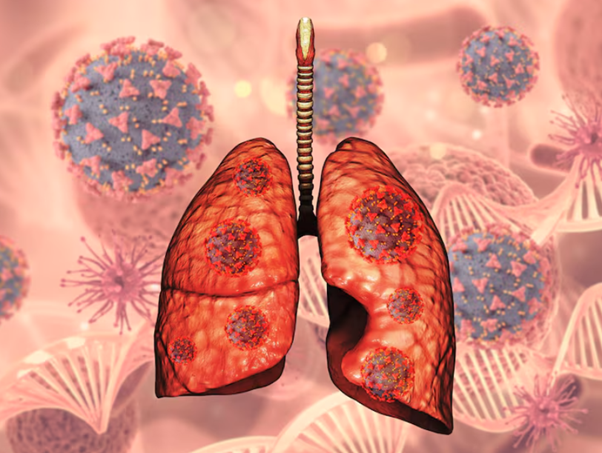
Small cell lung cancer is aggressive. It can affect breathing, energy levels, and other organs. At the same time, treatments used in small lung cancer treatment are strong and can cause side effects.
Common complications may include:
- Severe breathing problems
- Infections due to low immunity
- Fluid buildup in lungs
- Extreme weakness or fatigue
- Electrolyte imbalance
- Bleeding issues
When these complications are not handled quickly, they can delay small cell lung cancer treatment or make recovery harder. This is where critical care steps in.
What Is Critical Care in Cancer Treatment?
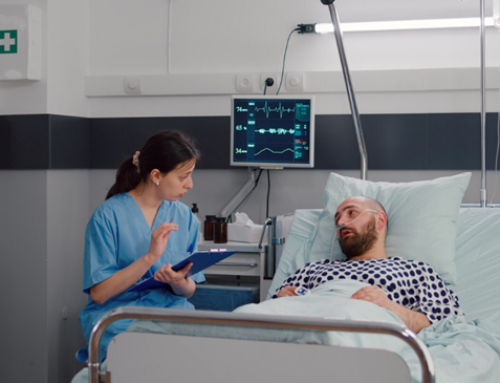
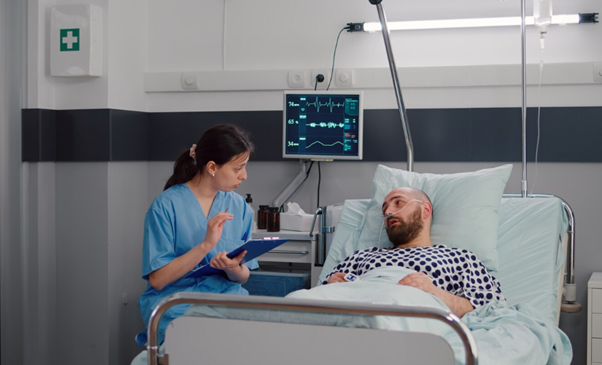
Critical care is specialized medical support for patients facing life-threatening or serious health problems. In the context of small cell lung cancer therapy, it focuses on stabilizing the body while cancer treatment continues.
Critical care teams include:
- Intensive care doctors
- Oncology specialists
- Respiratory therapists
- Skilled nurses
- Nutrition experts
Their goal is simple but powerful. They protect vital organs, manage emergencies, and reduce treatment-related risks.
Managing Breathing Emergencies
Breathing difficulty is one of the most serious issues in small cell lung cancer treatment. Tumors may block airways or fluid may collect in the chest.
Critical care helps by:
- Providing oxygen therapy
- Using ventilators when needed
- Draining fluid safely
- Monitoring oxygen levels closely
Fast action can prevent long-term damage. It also allows patients to continue small lung cancer treatment without dangerous delays.
Handling Treatment Side Effects Safely
Chemotherapy and other therapies are essential in small cell lung cancer therapy. However, they may weaken the immune system. This makes infections more dangerous.
Critical care units monitor:
- White blood cell counts
- Signs of infection
- Fever and blood pressure
- Organ function
If infection appears, strong antibiotics and supportive care are given immediately. Early response saves lives. It also keeps patients strong enough to continue their planned treatment.
Supporting the Heart, Kidneys, and Brain
Small cell lung cancer can spread quickly. It may affect the brain, liver, or other organs. In some cases, treatment can stress the heart or kidneys.
Critical care specialists:
- Track organ function daily
- Correct electrolyte imbalances
- Provide fluids carefully
- Manage seizures or confusion
This close monitoring ensures that small cell lung cancer treatment remains safe and controlled. Without this support, complications could stop therapy completely.
Emotional and Family Support During Crisis
Critical care is not only about machines and medicines. It is also about reassurance. When a loved one is in intensive care, families feel fear and uncertainty.
Clear communication from the care team helps families:
- Understand what is happening
- Make informed decisions
- Feel emotionally supported
This human connection matters deeply during small lung cancer treatment. Strength is not only physical. It is emotional too.
Is There a Miracle Cure for Small Cell Lung Cancer?
Many people ask this question. At present, there is no single miracle cure for small cell lung cancer. However, progress in research, early detection, combination therapies, and critical care has improved survival rates.
What truly makes a difference is:
- Timely diagnosis
- Personalized small cell lung cancer therapy
- Strong management of complications
- Multidisciplinary care
Critical care does not replace cancer treatment. It strengthens it. It creates a stable environment where therapies can work effectively.
The Connection Between Critical Care and Better Outcomes
Studies show that patients who receive early intensive support during complications often have better tolerance to treatment. They recover faster from emergencies. They are more likely to complete their full course of small cell lung cancer treatment.
In simple terms, critical care keeps the body steady while cancer treatment does its job.
Think of it as a safety net. Without it, even the best treatment plan may struggle.
Outcome:
At FLASS, the focus goes beyond prescribing medication. Our team understands that small cell lung cancer therapy is not only about fighting cancer cells. It is also about protecting the person as a whole.
From advanced monitoring to coordinated intensive support, we ensure that complications are addressed quickly, safely, and professionally. At every phase of small lung cancer treatment, our team works together to provide precise medical attention along with genuine compassion.
Connect with us today and take a proactive step toward safer, stronger, and more supported cancer care. With the right medical support and timely action, better stability and improved quality of life are possible.
FAQs
- What is the role of critical care in small cell lung cancer treatment?
Critical care helps manage serious problems like breathing trouble, infections, or organ stress, so patients stay stable and can safely continue small cell lung cancer treatment.
- Is there a miracle cure for small cell lung cancer?
There is no single miracle cure for small cell lung cancer, but early diagnosis, proper therapy, and strong supportive care can improve survival and quality of life.
- Why are complications common during small cell lung cancer therapy?
Complications are common because the cancer grows fast and treatments are strong, which can weaken immunity, affect breathing, and put extra pressure on vital organs.
- How does critical care support breathing problems in SCLC patients?
Critical care teams provide oxygen, remove extra fluid from the lungs, monitor oxygen levels, and use breathing machines when needed to keep patients safe.
- Can managing complications improve small lung cancer treatment outcomes?
Yes, fast management of complications helps patients recover quicker, avoid treatment delays, and complete their planned therapy, which can lead to better overall results.