
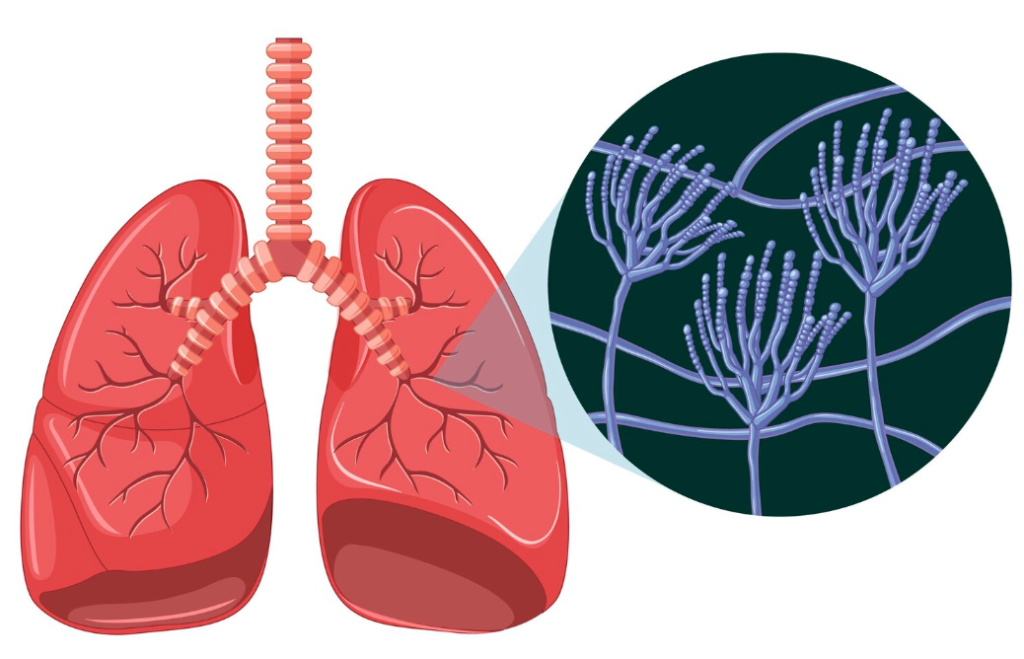
Lung nodules can sound alarming when you first hear the term, but understanding what they are, why they appear, and when to worry can ease some of the stress. Let us take a closer look at these small spots in the lungs and what they mean for your health.
So, What Exactly Is a Lung Nodule?
A lung nodule is a small, round or oval-shaped growth in the lung, often discovered incidentally during a chest X-ray or CT scan. They are usually less than three centimeters in size. While the term may sound intimidating, most lung nodules are benign, meaning they are not cancerous. However, some can indicate early stages of lung disease or even cancer, so proper evaluation is essential.
How Common Are Lung Nodules?
Lung nodules are more common than people realize. Studies suggest that up to one in four adults may have a lung nodule detected at some point in their life, especially as imaging technology becomes more advanced. Factors such as age, smoking history, and exposure to environmental pollutants can increase the likelihood of developing nodules.
Even though the discovery of a nodule can cause worry, it is important to remember that most nodules are harmless. Doctors often monitor them over time with follow-up imaging to ensure they do not grow or change.
What Causes Lung Nodules?
Several factors can lead to the formation of lung nodules. Some of the common causes include:
- Infections: Past infections, such as tuberculosis or fungal infections, can leave small scars in the lungs, which appear as nodules.
- Inflammation: Conditions like rheumatoid arthritis or sarcoidosis can trigger inflammatory nodules.
- Benign tumors: Non-cancerous growths can also form nodules in the lung tissue.
- Cancerous tumors: Though less common, lung nodules can sometimes represent early-stage lung cancer.
Understanding the cause of a nodule often requires a combination of imaging tests, medical history, and sometimes a biopsy.
Lung Nodule Symptoms: Should You Notice Anything?
Most lung nodules do not produce symptoms and are discovered incidentally. This is why routine imaging or scans for other reasons can sometimes reveal these small growths.
However, in some cases, nodules can cause:
- Persistent cough
- Shortness of breath
- Chest discomfort
- Occasional coughing up of blood
It is important to note that these symptoms are not exclusive to lung nodules and can indicate other lung conditions as well. Consulting a medical professional is the best way to get a proper diagnosis.
When to Worry About Lung Nodules
Knowing when to worry about lung nodules can be challenging. Doctors consider several factors:
- Size: Nodules larger than three centimeters are more likely to require further evaluation.
- Growth rate: Rapidly growing nodules may indicate a more serious condition.
- Appearance: Certain characteristics seen on scans, such as irregular borders, can increase concern.
- Patient history: Smoking history, family history of lung cancer, and exposure to harmful substances play a role in assessing risk.
If a doctor identifies a nodule that raises concern, they may recommend additional imaging, PET scans, or biopsy procedures to determine whether it is benign or malignant.
What Happens Next If a Nodule Is Found
Finding a lung nodule does not automatically mean there is a serious problem. The next steps often involve careful monitoring over time. Many nodules remain stable for years without causing issues. Your doctor will create a personalized plan based on your risk factors, nodule size, and appearance.
Some people may need follow-up scans every few months, while others may require more extensive testing. The key is regular monitoring and early intervention if there are any changes.
How Can You Reduce Risk
While not all lung nodules can be prevented, some lifestyle choices can help reduce your risk:
- Avoid smoking and exposure to secondhand smoke
- Maintain a healthy diet and exercise regularly
- Minimize exposure to harmful chemicals and pollutants
- Stay up-to-date with routine health screenings
Being proactive about your lung health can make a significant difference in early detection and management.
In Closing:
Discovering a lung nodule can feel stressful, but it is also an opportunity to take control of your health. At FLASS, we understand the anxiety that comes with such findings. Our team combines advanced imaging technology with compassionate guidance to ensure every patient understands what their results mean and the steps needed to stay healthy.
You do not have to face uncertainty alone. Whether it is a follow-up scan, risk assessment, or personalized consultation, FLASS is here to guide you through every step. Book an appointment today and take the first step toward peace of mind and proactive lung care. Your lungs are worth it, and so are you.
FAQs
- What are lung nodules and should I worry?
Lung nodules are small spots in the lungs, usually harmless. Most do not cause problems, but doctors monitor them to check for any changes or risks.
- How common are lung nodules in adults?
Lung nodules are quite common, especially in adults over 50 or smokers. Around one in four adults may have them detected in scans.
- What causes lung nodules to appear?
Lung nodules can appear from past infections, inflammation, harmless growths, or rarely cancer. Smoking, lung diseases, and environmental exposure increase the chance of nodules.
- Do lung nodules show any symptoms?
Most lung nodules do not cause symptoms. Occasionally, they may lead to cough, shortness of breath, or chest discomfort, but these signs are rare.
- When should I see a doctor about a lung nodule?
See a doctor if a nodule is large, grows quickly, has unusual edges, or if you have risk factors like smoking or family history of lung cancer.