
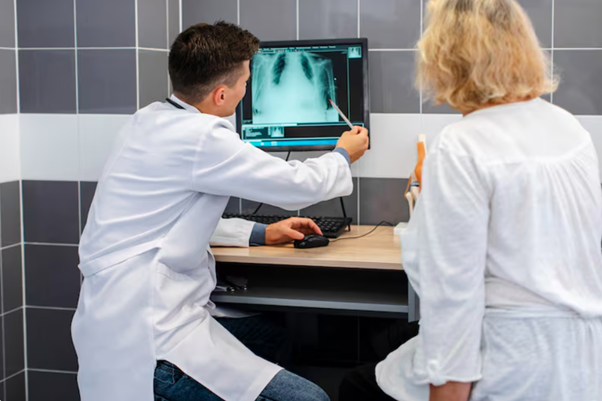
Discovering a lung nodule can be alarming, but knowing the right steps and treatment options can help you make informed decisions. Lung nodules are small spots in the lungs, often detected during routine imaging. Most nodules are harmless, but some can be cancerous. Knowing what the treatment for nodules on the lungs involves, from careful monitoring to surgery, can guide you toward the safest approach.
What Are Lung Nodules and Why Do They Matter?
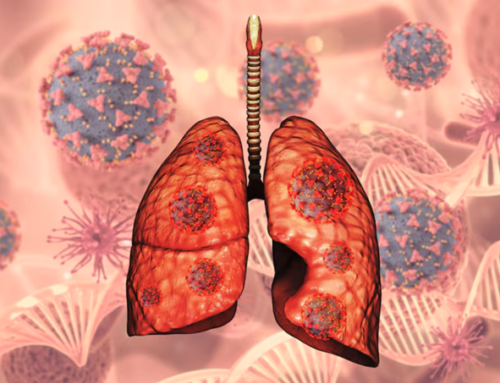
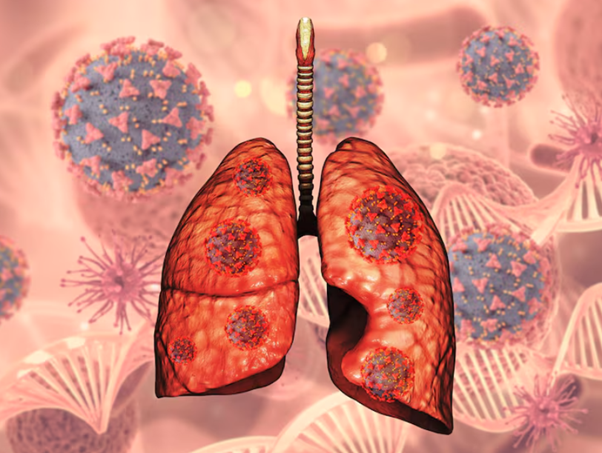
Lung nodules are small, round growths in the lungs that can vary in size. They are usually found during a chest X-ray or CT scan. While most nodules are benign, certain characteristics, like size or spiculated edges, can indicate a higher risk of cancer.
Key points to remember:
- Small nodules under 6 millimeters are often monitored rather than treated immediately.
- Spiculated lung nodules have irregular edges and may need more attentive treatment.
- A physician will consider your age, smoking history, and overall health when deciding treatment.
Monitoring: The First Step for Many Nodules
Not all nodules require immediate treatment. Monitoring, also known as watchful waiting, is a common first step. This involves regular imaging to track any changes in size or appearance.
Why monitoring works:
- Reduces unnecessary procedures for harmless nodules.
- Helps detect changes early if a nodule grows or develops suspicious features.
- Can involve CT scans every 3–12 months depending on risk factors.
Monitoring is often recommended for non-cancerous nodules or small growths that appear low-risk. Your doctor will guide the schedule based on your individual situation.
Medications and Non-Surgical Options
In certain cases, medications or minimally invasive procedures may be used, particularly if nodules are associated with infections or inflammation. Antibiotics or antifungal treatments can help if an infection causes the nodule.
Other options include:
- Bronchoscopy: A small camera helps sample nodules for diagnosis.
- Needle biopsy: A precise method to test tissue without major surgery.
These options are less invasive than surgery and can provide valuable information about the nature of the nodule.
Surgery: When It Becomes Necessary
Surgery is usually reserved for nodules that show signs of cancer or grow rapidly. The approach depends on nodule size, location, and overall health.
Common surgical procedures include:
- Wedge resection: Removing a small portion of lung tissue around the nodule.
- Lobectomy: Removing an entire lobe of the lung when cancer risk is higher.
- Segmentectomy: A targeted removal of a lung segment containing the nodule.
Surgery offers a definitive treatment, especially for cancerous nodules. Recovery time can vary, but minimally invasive techniques like VATS (video-assisted thoracoscopic surgery) reduce hospital stays and recovery periods.
Treating Cancerous Lung Nodules
If a nodule is confirmed as cancerous, treatment plans are more aggressive. They often involve a combination of surgery, chemotherapy, and radiation therapy. The exact treatment depends on cancer type, stage, and your overall health.
Important considerations:
- Early detection increases the success rate of cancerous lung nodule treatment.
- A multidisciplinary team ensures a comprehensive approach.
- Personalized treatments for cancerous lung nodules provide better outcomes than a one-size-fits-all method.
Factors Influencing Lung Nodule Treatment
Not every lung nodule is treated the same way. Doctors consider multiple factors to decide the safest and most effective treatment for lung nodules.
- Nodule size and growth rate: Larger nodules or those that grow quickly are more concerning. Small, stable nodules often only need monitoring, while fast-growing ones may require surgery or further testing.
- Appearance on imaging: Features like spiculated edges—where the nodule looks jagged or irregular—can indicate a higher chance of cancer. Smooth, round nodules are usually less risky, but imaging patterns always help doctors determine the next steps.
- Patient age, smoking history, and overall health: Older patients or long-term smokers have a higher risk for lung cancer. Doctors also consider other health conditions because these can influence treatment safety and recovery.
- Presence of symptoms: Nodules are sometimes found by accident, but if you experience coughing, chest pain, shortness of breath, or unexplained weight loss, these signs may prompt faster intervention.
Ultimately, your healthcare provider considers all these factors together. The goal is to balance the need for treatment with the safety and comfort of the patient, ensuring the approach is precise, personalized, and effective.
In Closing:
Understanding lung nodule treatment options can reduce fear and provide a clear path forward. From careful monitoring to surgery, each step is designed to protect your lung health.
At FLASS (Florida Lung, Asthma & Sleep Specialists), our approach goes beyond routine treatment. We combine cutting-edge imaging, personalized plans, and attentive care to guide you confidently through each step. With our expert team, advanced technology, and patient-focused approach, we ensure every decision is clear and precise. Schedule your consultation today and experience care that truly matters.
FAQs
- What is the treatment for nodules on the lungs?
Treatment depends on size, type, and risk, ranging from careful monitoring and medications to surgery for cancerous nodules.
- How are spiculated lung nodules treated?
Spiculated nodules often need closer monitoring, biopsies, or surgery because irregular edges can indicate higher cancer risk.
- What are the options for cancerous lung nodules?
Cancerous nodules may require surgery, chemotherapy, radiation, or a combination, tailored to stage, type, and patient health.
- When should lung nodules be removed surgically?
Surgery is considered when nodules grow, show suspicious features, or are confirmed cancerous to ensure complete treatment and safety.
- Can small lung nodules be treated without surgery?
Yes, small nodules are often monitored with regular imaging or biopsied, and medications treat infection-related nodules without major surgery.