
When a medical emergency happens, every second counts. Critical care doctors are specially trained to manage life-threatening conditions quickly and efficiently. Many people wonder about the difference between critical care and other hospital units, or how these doctors make quick decisions under pressure. This blog will explore how critical care doctors handle emergencies step-by-step.
Is Critical Care the Same as ICU?
Critical care is a branch of medicine that focuses on patients who are very ill and require intensive monitoring and treatment. Often, people confuse critical care with ICU care. The ICU, or Intensive Care Unit, is a place in the hospital where patients needing critical care are treated. Therefore, while not exactly the same, ICU is a central part of critical care services.
Some patients are admitted to a Progressive Care Unit, or PCU. Many ask if PCU is considered critical care. The answer is yes, but in a slightly different way. PCU provides close monitoring and advanced care, but usually for patients who are stable compared to those in the ICU.
Step #1: Rapid Assessment
When a patient arrives in a critical state, the first thing a critical care doctor does is perform a rapid assessment. This includes checking vital signs such as heart rate, blood pressure, oxygen levels, and breathing patterns. The doctor looks for signs that could indicate immediate danger, such as severe bleeding, difficulty breathing, or sudden heart problems.
The goal of this step is to quickly identify the most urgent problem. In critical care, every second matters, and this initial evaluation sets the tone for the treatment plan.
Step #2: Stabilizing the Patient
After assessing the patient, the doctor focuses on stabilization. This step can involve:
- Administering oxygen or helping the patient breathe using a ventilator
- Controlling bleeding or managing severe injuries
- Providing medications to stabilize heart rate or blood pressure
Stabilization is crucial because it gives the patient a chance to survive while further treatment is planned. Critical care doctors are trained to act quickly and confidently in this stage, often coordinating with nurses, respiratory therapists, and other specialists.
Step #3: Ordering Tests and Monitoring Closely
Once the patient is stabilized, the doctor needs more information to treat the underlying problem. This involves ordering tests such as blood work, X-rays, CT scans, or ECGs.
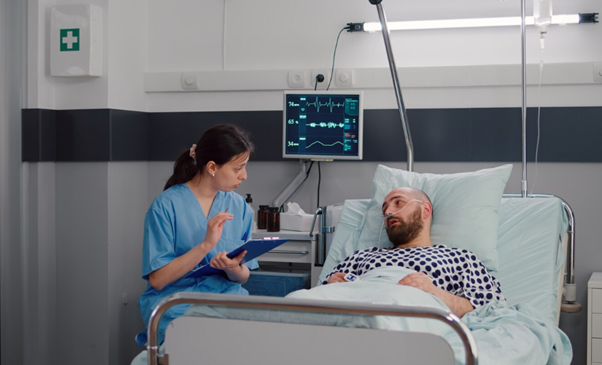
Continuous monitoring is essential in this stage. Critical care doctors use high-tech equipment to watch vital signs constantly. Any sudden change in the patient can be detected immediately, allowing the team to respond fast. This is why critical care units, whether ICU or PCU, are equipped with specialized monitoring systems.
Step #4: Developing a Treatment Plan
Based on the assessment and test results, the doctor creates a step-by-step treatment plan. This plan often includes medications, procedures, or surgeries. The plan is dynamic and can change at any moment depending on how the patient responds.
Critical care doctors in Florida do not work alone. They collaborate with a team of nurses, technicians, and other specialists. Communication is key to ensure everyone knows what to do and when to act.
Step #5: Communicating with Families
While treating the patient, doctors also communicate with the family. They explain the patient’s condition, the steps being taken, and what to expect next. This communication helps families understand the seriousness of the situation without causing unnecessary panic.
Step #6: Adjusting Care Continuously
Emergencies are unpredictable. Critical care doctors constantly adjust treatment based on the patient’s response. If a medication does not work or if new symptoms appear, they immediately revise the plan.
This continuous care is one of the reasons critical care doctors are highly trained. They are prepared to handle any sudden change, ensuring the patient has the best chance of recovery.
Step #7: Preparing for Transition
Once the patient’s condition improves, doctors prepare them for transfer to a less intensive care setting. This might mean moving from the ICU to the PCU or eventually to a general hospital ward. Even at this stage, careful monitoring and step-by-step planning are needed to prevent any setbacks.
Why This Matters
Understanding how critical care doctors handle emergencies helps people appreciate the skill, speed, and teamwork involved. It is not just about knowledge of medicine, but about staying calm, making decisions quickly, and coordinating a team effectively.
Wrap-Up:
At FLASS, we go beyond standard care to provide exceptional critical care in Florida. Our team of highly trained critical care doctors is ready to act quickly, stabilize patients, and provide continuous monitoring with precision and compassion. We focus on delivering life-saving care with expertise and a personal touch. When every second counts, FLASS (Florida Lung, Asthma & Sleep Specialists) is there to ensure your loved ones receive the highest level of care.
Reach out today to receive critical care that makes a real difference and brings families peace of mind.
FAQs
- How do critical care doctors respond to emergencies so quickly?
They follow fast steps like assessing, stabilizing, monitoring, and adjusting treatment, allowing them to manage serious conditions in a calm and organized way.
- Is critical care the same as ICU care for patients?
Critical care is the type of treatment, while ICU is the hospital unit where the sickest patients receive this advanced and continuous care.
- Is PCU considered part of critical care services?
PCU provides advanced monitoring for patients who are stable compared to ICU patients, so it is considered a lower level of critical care.
- Why do critical care doctors order so many tests during emergencies?
Tests help doctors identify hidden problems, track organ function, guide treatment choices, and ensure the patient receives the most accurate and timely care.
- How do families stay informed during critical care emergencies?
Doctors share updates regularly, explain treatment steps clearly, answer concerns, and guide families with calm communication during stressful and uncertain moments.