
Sleep is meant to restore your body and calm your mind. But what if your sleep is quietly working against you? Many people wake up feeling tired, foggy, or irritable without knowing the real reason. One common but often ignored cause is sleep apnea.
If you have ever wondered “how do you know if you have sleep apnea”, or questioned “is sleep apnea a disability”, you are not alone. Let us walk through everything in detail so you can better understand your symptoms, risks, and next steps.
What Is Sleep Apnea?
Sleep apnea is a sleep disorder where breathing repeatedly stops and starts during sleep. These pauses can last a few seconds to over a minute. They may happen dozens or even hundreds of times a night.
The two main types are:
- Obstructive Sleep Apnea, caused by a blocked airway
- Central Sleep Apnea, caused by the brain not sending proper signals to breathe
Obstructive Sleep Apnea is the most common form. It often goes unnoticed because it happens while you are asleep.
Sleep Apnea Causes You Should Know
Understanding sleep apnea causes can help you identify your risk early. The most common cause is airway blockage. When throat muscles relax too much during sleep, they narrow or close the airway.
Other risk factors include:
- Excess weight
- Large neck size
- Smoking
- Alcohol use before bedtime
- Chronic nasal congestion
- Certain medical conditions such as high blood pressure
Age and gender also play a role. Middle aged and older adults are more at risk. Men are slightly more likely to develop it, but women, especially after menopause, are also vulnerable.
Many people also ask, is sleep apnea genetic? Research shows that it can run in families. If your parents or close relatives have sleep apnea, you may have a higher chance of developing it. Genetics can influence facial structure, airway size, and body fat distribution, all of which affect breathing during sleep.
How Do You Know If You Have Sleep Apnea?
This is one of the most common questions: how do you know if you have sleep apnea?
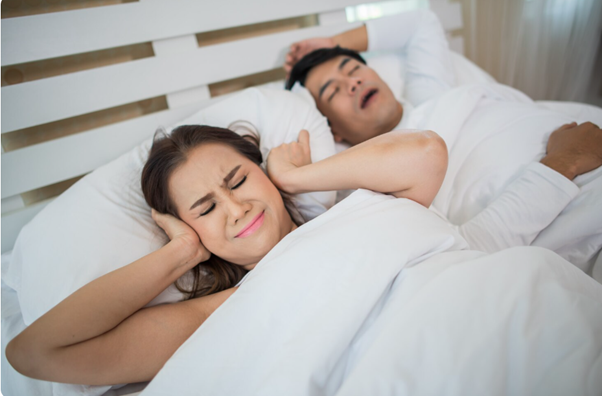
The signs are often noticed by a partner first. Loud snoring is a major warning sign. However, not everyone who snores has sleep apnea.
Here are common symptoms to watch for:
- Loud and chronic snoring
- Gasping or choking during sleep
- Waking up with a dry mouth
- Morning headaches
- Feeling very tired during the day
- Trouble focusing
- Mood changes or irritability
You might think you slept all night, but your body kept waking up briefly to restart breathing. These repeated interruptions reduce oxygen levels and disturb deep sleep cycles.
If you constantly feel exhausted even after what seems like a full night of sleep, your body could be signaling a deeper issue.
Why Sleep Apnea Should Not Be Ignored
Sleep apnea is more than just snoring. If left untreated, it can lead to serious health complications.
Low oxygen levels and interrupted sleep increase the risk of:
- High blood pressure
- Heart disease
- Stroke
- Type 2 diabetes
- Depression
- Memory problems
It can also affect work performance and increase the risk of accidents due to daytime drowsiness.
How Is Sleep Apnea Diagnosed?
Diagnosis usually begins with a detailed medical history and symptom review. A healthcare provider may ask about snoring patterns, sleep habits, and daytime tiredness.
The most reliable test is a sleep study. This can be done in a sleep lab or sometimes at home using portable monitoring devices.
A sleep study measures:
- Breathing patterns
- Oxygen levels
- Heart rate
- Brain activity
- Body movements
The results show how often breathing stops and how severe the condition is. Early diagnosis is key to preventing long term damage.
Treatment Options That Can Change Your Life
The good news is that sleep apnea is treatable. Treatment depends on severity and underlying causes.
Common options include:
- Continuous Positive Airway Pressure therapy, known as CPAP
- Oral appliances that reposition the jaw
- Lifestyle changes such as weight loss
- Surgery in selected cases
CPAP therapy is considered the gold standard for moderate to severe cases. It keeps the airway open by delivering steady air pressure through a mask.
For mild cases, simple lifestyle changes such as reducing alcohol intake, improving sleep position, and managing weight can make a big difference.
Summary:
Ignoring symptoms will not make them disappear. If you recognize the warning signs, taking action can protect your long term health.
At FLASS, we understand how untreated sleep apnea affects energy, mood, heart health, and overall quality of life. That is why our approach goes beyond testing. We listen carefully, evaluate thoroughly, and design care plans that fit your lifestyle and health goals. Whether you are questioning your symptoms or seeking clear answers, our team is here to guide you with expertise and compassion.
Remember, better sleep starts with the right support. Let FLASS help you breathe easier, sleep deeper, and wake up stronger. Schedule your consultation today.
————————————————————————————————————————–
FAQs
- How do you know if you have sleep apnea?
If you snore loudly, feel very tired during the day, wake up with headaches, or gasp during sleep, you may have sleep apnea.
- What are the main sleep apnea causes?
Common sleep apnea causes include blocked airways, extra body weight, large neck size, smoking, alcohol use, and family history of breathing problems.
- Is sleep apnea genetic?
Sleep apnea can run in families. Certain body features like jaw shape, throat size, and weight patterns can increase your risk.
- Is sleep apnea a disability?
Sleep apnea may be considered a disability if it seriously affects daily life, work performance, and overall health despite proper medical treatment.
- How is sleep apnea diagnosed?
Doctors diagnose sleep apnea through a sleep study that checks breathing, oxygen levels, heart rate, and sleep patterns overnight at home or clinic.