

Asthma can strike unexpectedly, making everyday activities feel challenging. Understanding the triggers behind asthma attacks and knowing how to manage them can significantly reduce their severity. Let’s break down the common causes and prevention strategies so you can breathe easier.
Understanding Asthma Causes, Symptoms, and Treatment
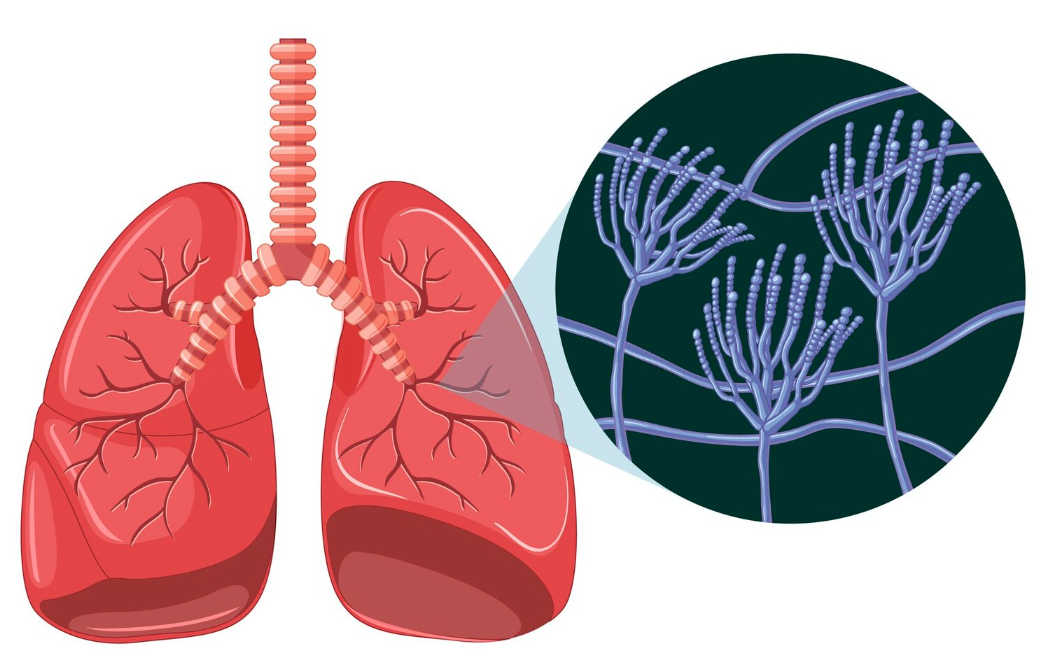
Asthma is a chronic condition where the airways become inflamed, making it hard to breathe. Symptoms often include:
- Shortness of breath
- Wheezing
- Chest tightness
- Persistent coughing
Triggers can vary from person to person, which is why knowing your specific asthma causes is essential. Some people may react to environmental factors, while others may be sensitive to certain foods, exercise, or stress. Proper asthma treatment specialists can help identify these triggers and create a personalized plan.
Common Asthma Triggers
Identifying triggers is the first step in preventing severe attacks. Some common triggers include:
1. Allergens
Dust mites, pollen, pet dander, and mold can all spark an asthma attack. If you notice sneezing, itchy eyes, or congestion along with breathing difficulties, allergens might be at play.
Prevention Tips:
- Keep windows closed during high pollen seasons
- Regularly clean bedding and carpets
- Use HEPA filters in your home
2. Air Pollution and Smoke
Cigarette smoke, vehicle emissions, and industrial pollution can irritate the airways. Even secondhand smoke is enough to trigger attacks.
Prevention Tips:
- Avoid smoking areas
- Use air purifiers indoors
- Limit outdoor activities on days with poor air quality
3. Respiratory Infections
Colds, flu, and sinus infections can worsen asthma symptoms. Viral infections often inflame the airways, making them more reactive.
Prevention Tips:
- Stay up-to-date on vaccinations
- Practice regular hand hygiene
- Avoid close contact with sick individuals
4. Exercise
Physical activity is healthy but can trigger exercise-induced asthma. Shortness of breath, coughing, or wheezing after exercise is common in sensitive individuals.
Prevention Tips:
- Warm up before exercising
- Use prescribed inhalers if recommended by your doctor
- Choose activities that allow for controlled breathing
5. Weather Changes
Cold air, humidity, or sudden weather shifts can irritate your lungs and lead to an asthma attack.
Prevention Tips:
- Cover your nose and mouth in cold weather
- Stay indoors during extreme weather conditions
- Monitor local weather alerts if you’re sensitive
6. Stress and Strong Emotions
Emotional stress and anxiety can sometimes trigger asthma symptoms. Rapid breathing or panic attacks may worsen airway inflammation.
Prevention Tips:
- Practice mindfulness and relaxation techniques
- Avoid stressful situations when possible
- Seek professional help for anxiety management
How to Prevent Severe Attacks?
While triggers vary, prevention strategies can be universal. Here’s how to lower your risk of severe asthma attacks:
- Follow your asthma action plan: Work closely with an asthma treatment specialist to maintain the right medications and emergency steps.
- Take medications as prescribed: Controller inhalers help prevent inflammation, while rescue inhalers manage sudden symptoms.
- Regular check-ups: Monitoring your lung function helps catch warning signs early.
- Track triggers: Keeping a symptom diary can reveal patterns you may not notice otherwise.
- Emergency preparedness: Know when to seek asthma attack medical treatment and keep your emergency contacts handy.
When to Seek Immediate Help
Some signs indicate that a severe asthma attack requires urgent medical attention:
- Difficulty speaking due to shortness of breath
- Blue lips or fingertips
- Chest pain or tightness that doesn’t ease
- Rescue inhaler not providing relief
In these situations, contacting medical professionals immediately can save lives.
Summary:
Managing asthma is more than avoiding triggers—it’s about creating a lifestyle where your lungs can thrive. FLASS (Florida Lung, Asthma & Sleep Specialists) ensures every patient gets a proactive plan tailored to their unique needs. From identifying triggers to guiding proper medication use and offering ongoing support, we focus on keeping your days smooth and your nights restful.
Don’t wait for another flare-up to disrupt life. Schedule your consultation today and take the first step toward stronger, healthier lungs.
FAQs
-
What are the main triggers of asthma attacks?
Common triggers include allergens, smoke, air pollution, respiratory infections, exercise, weather changes, and stress. Identifying personal triggers helps prevent severe asthma attacks effectively.
-
How can I prevent severe asthma attacks at home?
Maintain your asthma action plan, avoid triggers, use prescribed inhalers, monitor symptoms, keep your home clean, and consult an asthma treatment specialist regularly.
-
When should I seek medical help for an asthma attack?
Seek immediate care if breathing is difficult, lips turn blue, chest pain persists, or your rescue inhaler isn’t providing relief. Timely treatment prevents complications.
-
Can exercise cause asthma attacks?
Yes, exercise-induced asthma occurs when physical activity triggers airway inflammation. Warming up, pacing, and using a pre-exercise inhaler can reduce symptoms effectively.
-
How do weather changes affect asthma?
Cold air, high humidity, or sudden weather shifts irritate airways, making asthma symptoms worse. Protective clothing and indoor activity can help minimize attacks.